How to Source Mixed-Container Auto Parts from China: A Buyer's Guide
Ordering one product line per container is simple — but it ties up cash and leaves container space, and money, on the table. Here's how to mix filters, cables, clips, wiper blades and more in a single shipment, and do it right.
⚡ Key takeaways
- One accountable supplier plans the mix — not five factories you consolidate yourself.
- Quality control must cover every product line, not just the supplier's own factory.
- Get the loading math in writing: CBM, weight, and freight split per SKU.
- Compare landed cost per unit, never FOB price alone.
Plan your mix before you talk to suppliers
List every SKU you want in the container with quantities, carton dimensions and weights. Group them by category — filters, cables, fasteners, wipers, brake pads.
A supplier can only give you an accurate loading plan — and an accurate freight split — if they know the full picture up front. Vague inquiries get vague quotes.
Choose one consolidator, not five factories
The biggest mistake buyers make is placing five small orders with five factories and trying to consolidate them yourself. You end up paying five inland freights, coordinating five production schedules, and taking the blame when one factory is late.
Work with one supplier who can source across categories and consolidate at origin — a true one stop auto parts supplier. One production timeline, one QC process, one packing list, one shipment.
Verify quality control across every line
Mixed containers fail on quality more often than on logistics. Your consolidator should run incoming, in-process and pre-shipment inspections on every product line — not just the ones they manufacture themselves.
Ask for QC reports or test data for each category, photos or video of the actual loading, and clear packaging standards (export cartons, palletizing, moisture protection).
Get a real loading plan, not a guess
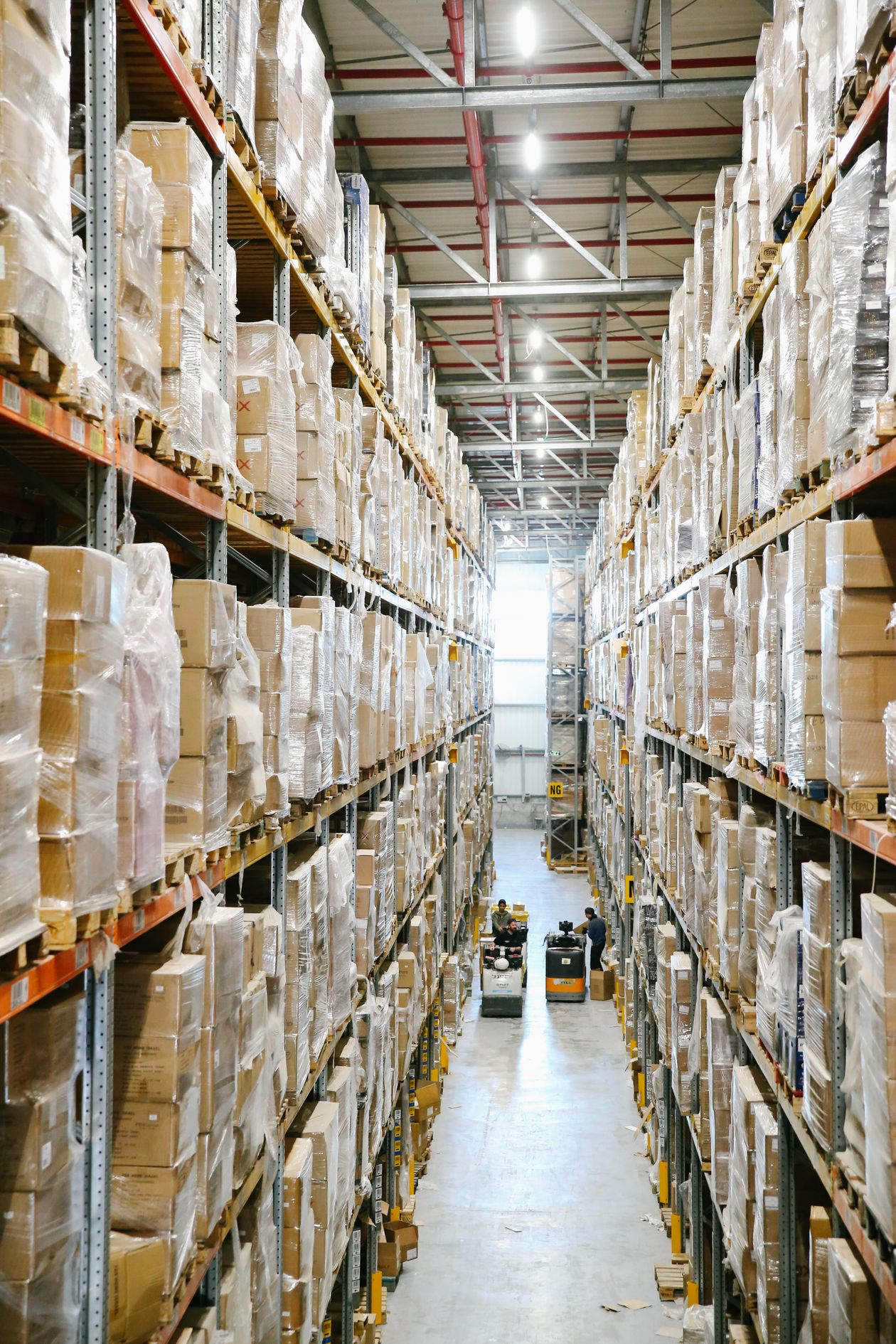
Before you confirm the order, ask for a container loading plan: how cartons are stacked, how space is utilized, total CBM and gross weight. A 40HQ holds roughly 68 CBM / 26.5 tons — your supplier should show you the math.
This is also where your per-unit freight cost gets decided, so get the split in writing.
Lock down the paperwork early
Confirm before production: commercial invoice, packing list, certificate of origin, and any market-specific certificates your country requires.
Mixed containers with five product categories mean five sets of HS codes — make sure your supplier classifies each line correctly. Wrong HS codes at destination mean delays and fines.
Watch the hidden costs
The quote that matters is your landed cost per unit, not the FOB price. Ask your supplier to break out: unit price, inland freight to port, ocean freight apportionment, and port/THC charges.
A supplier who is transparent about the full chain is almost always cheaper in the end than one with a low FOB price and surprise fees.
Ready to plan your mixed container?
Tell us your part numbers — quotations within 24 hours on business days.
Build your mixed container with WINWIN
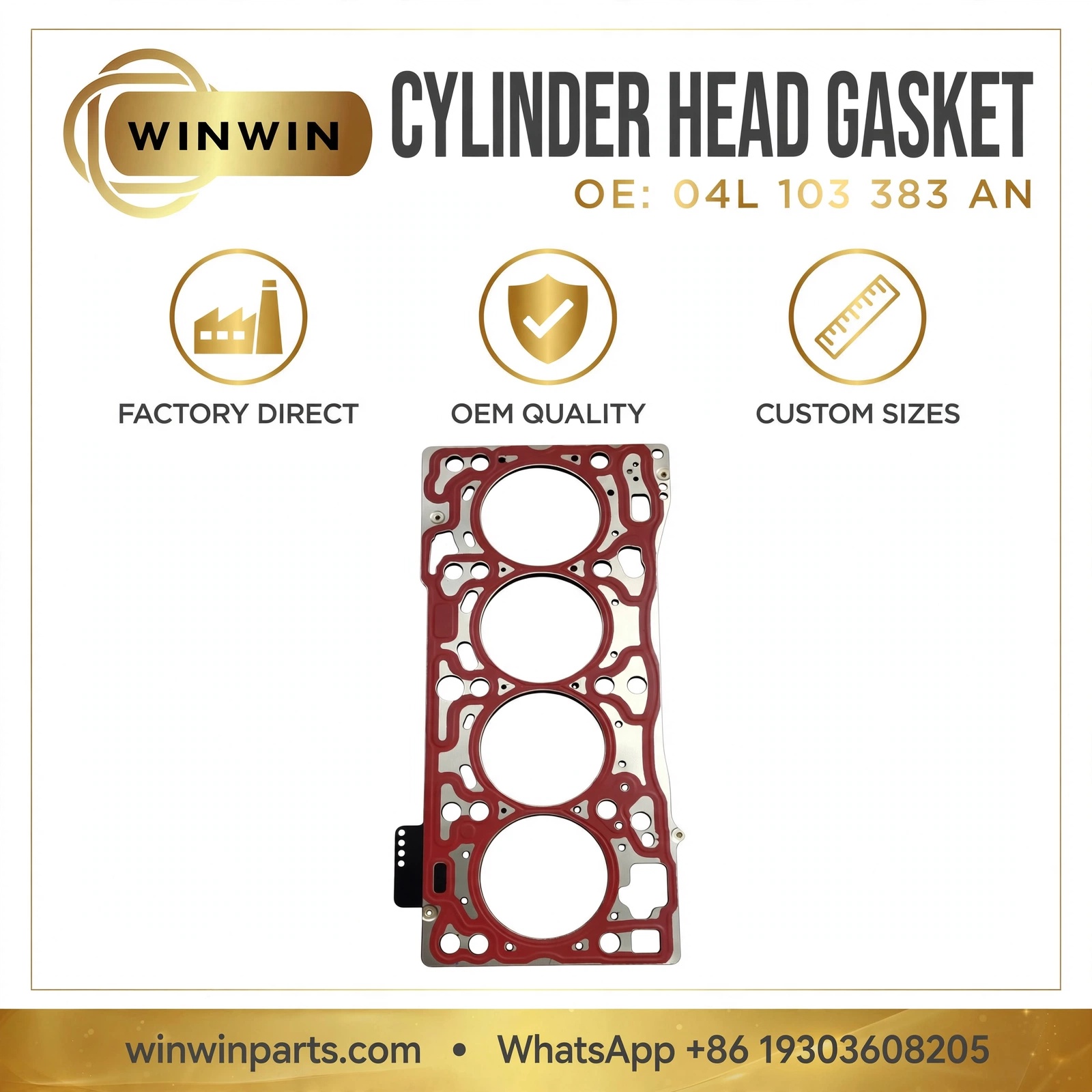
Cylinder Head Gasket
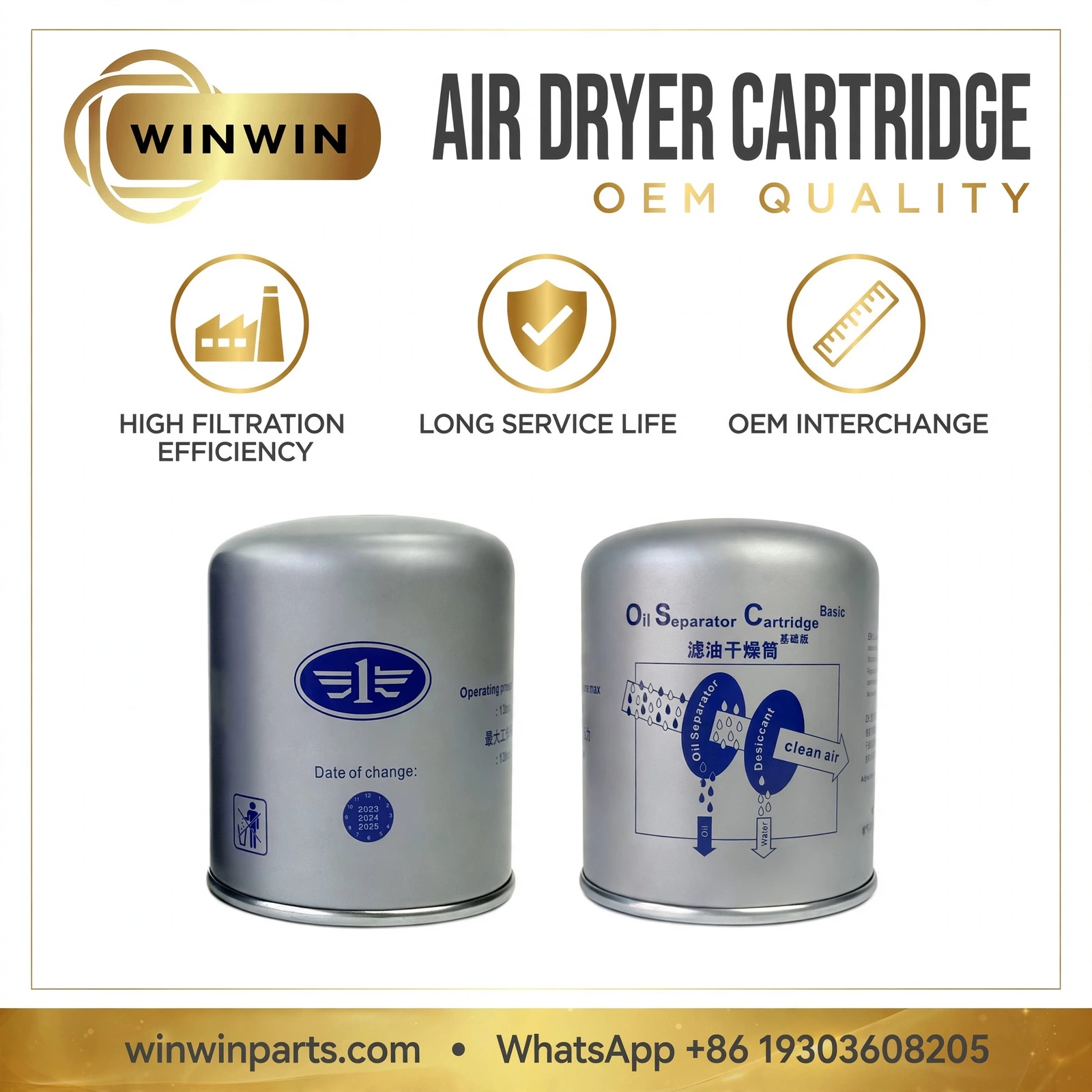
Air Dryer Cartridge
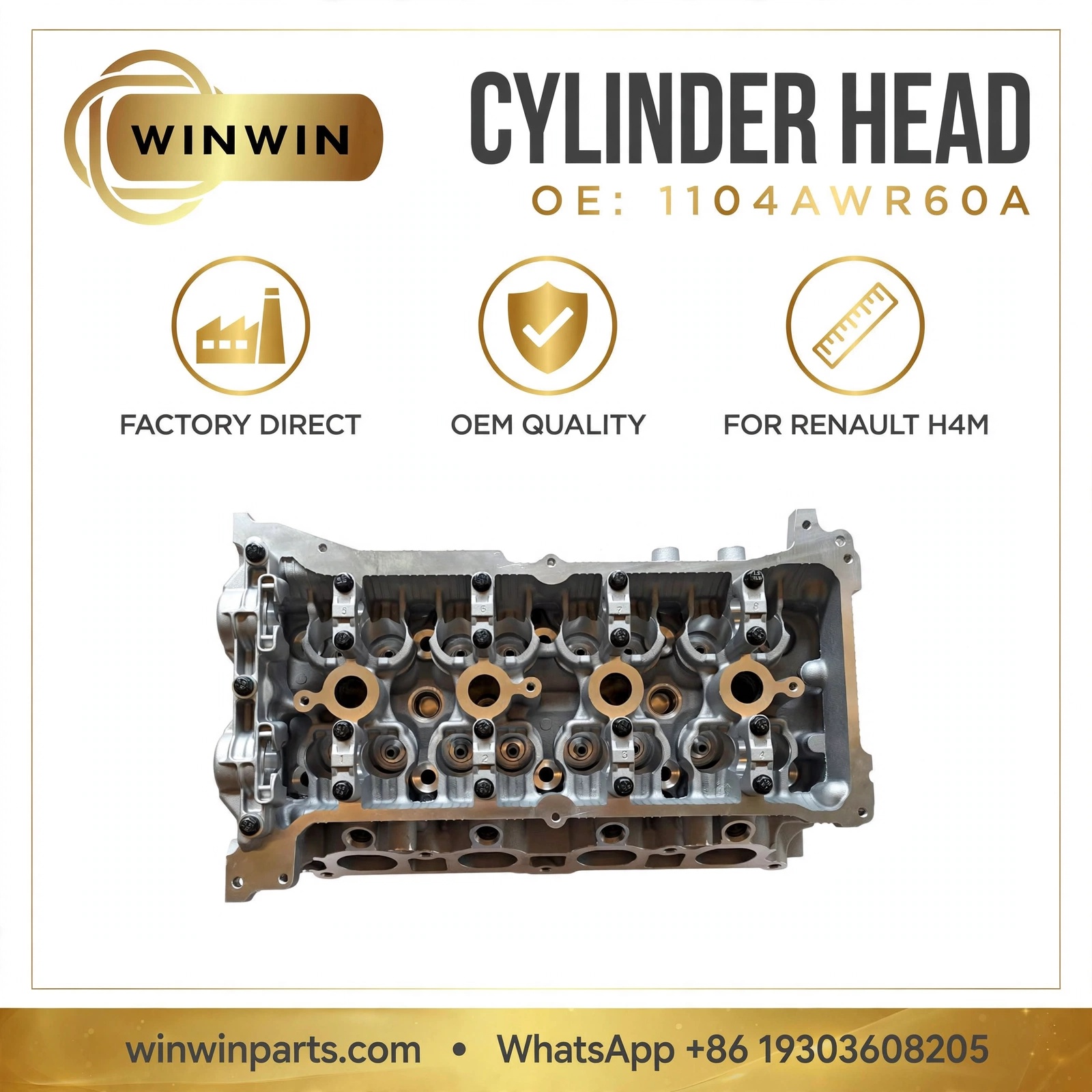
Cylinder Head
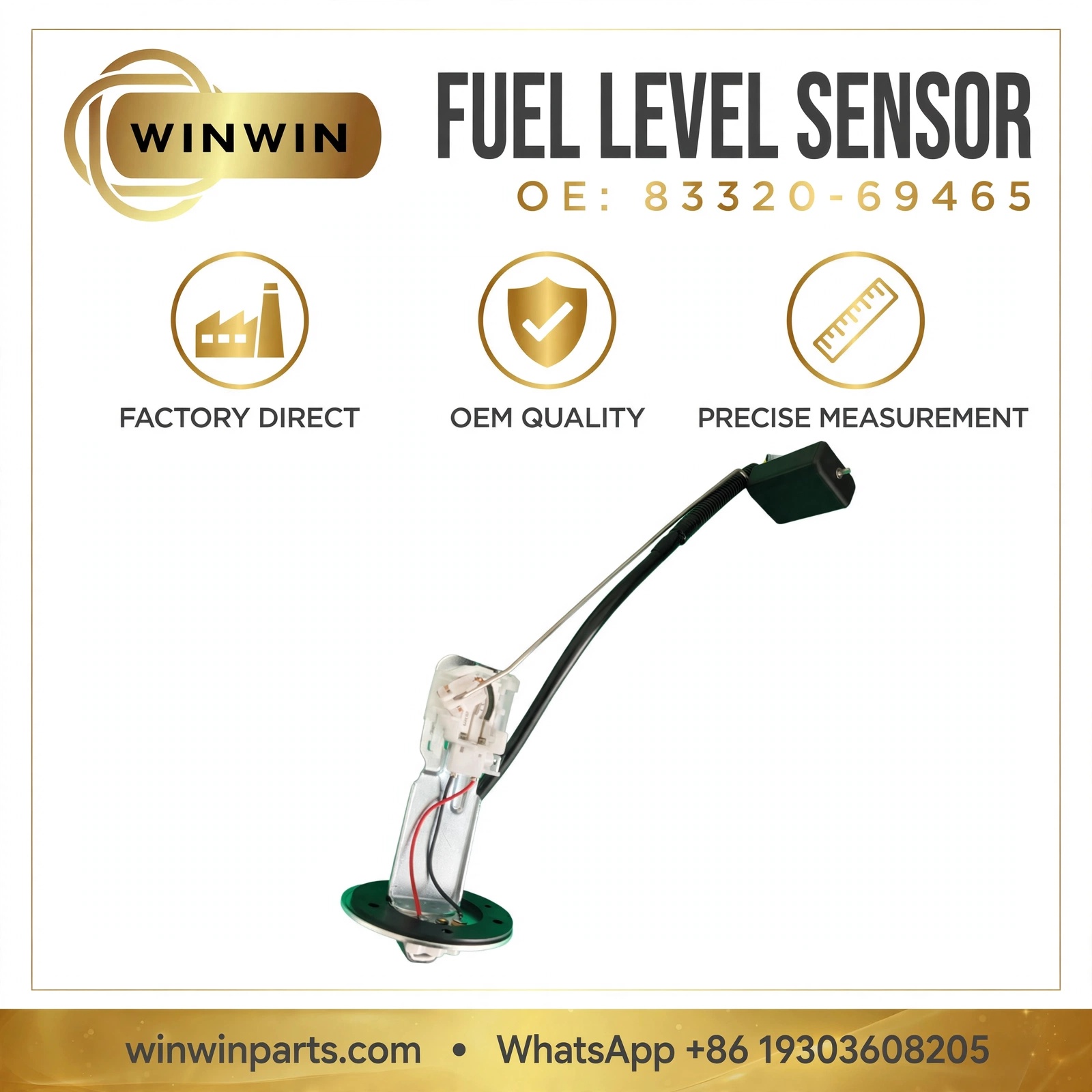
Fuel Level Sensor
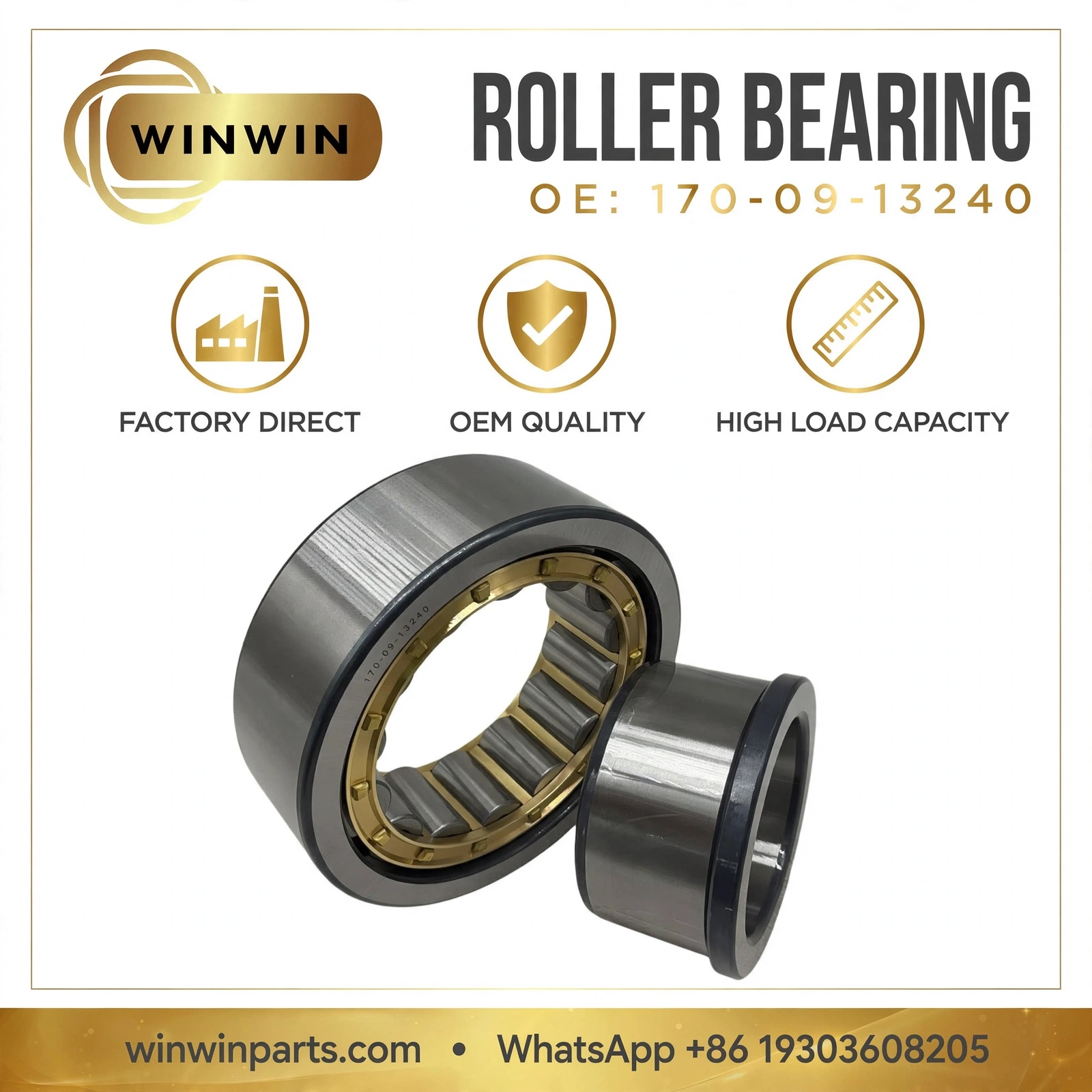
Roller Bearing
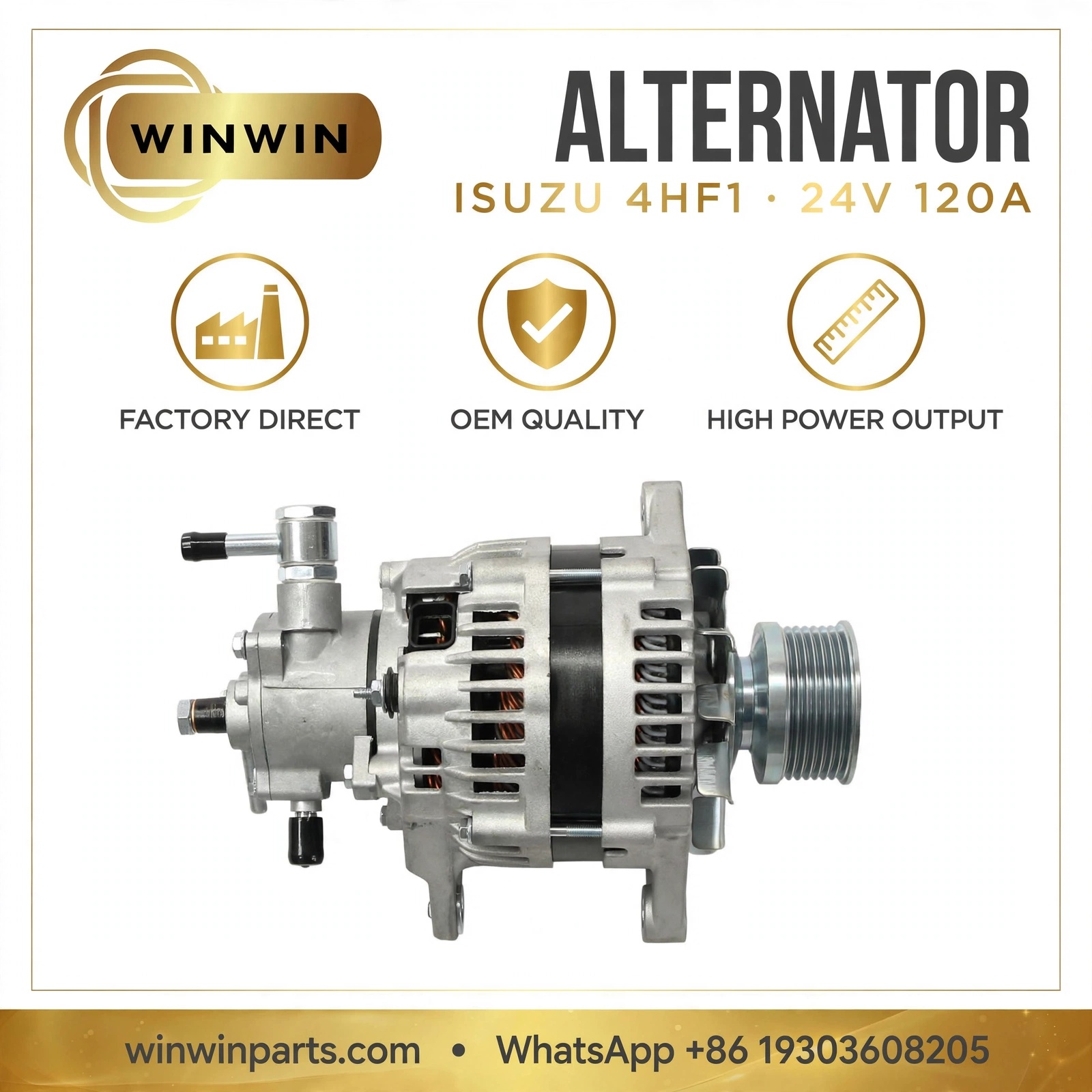
Alternator
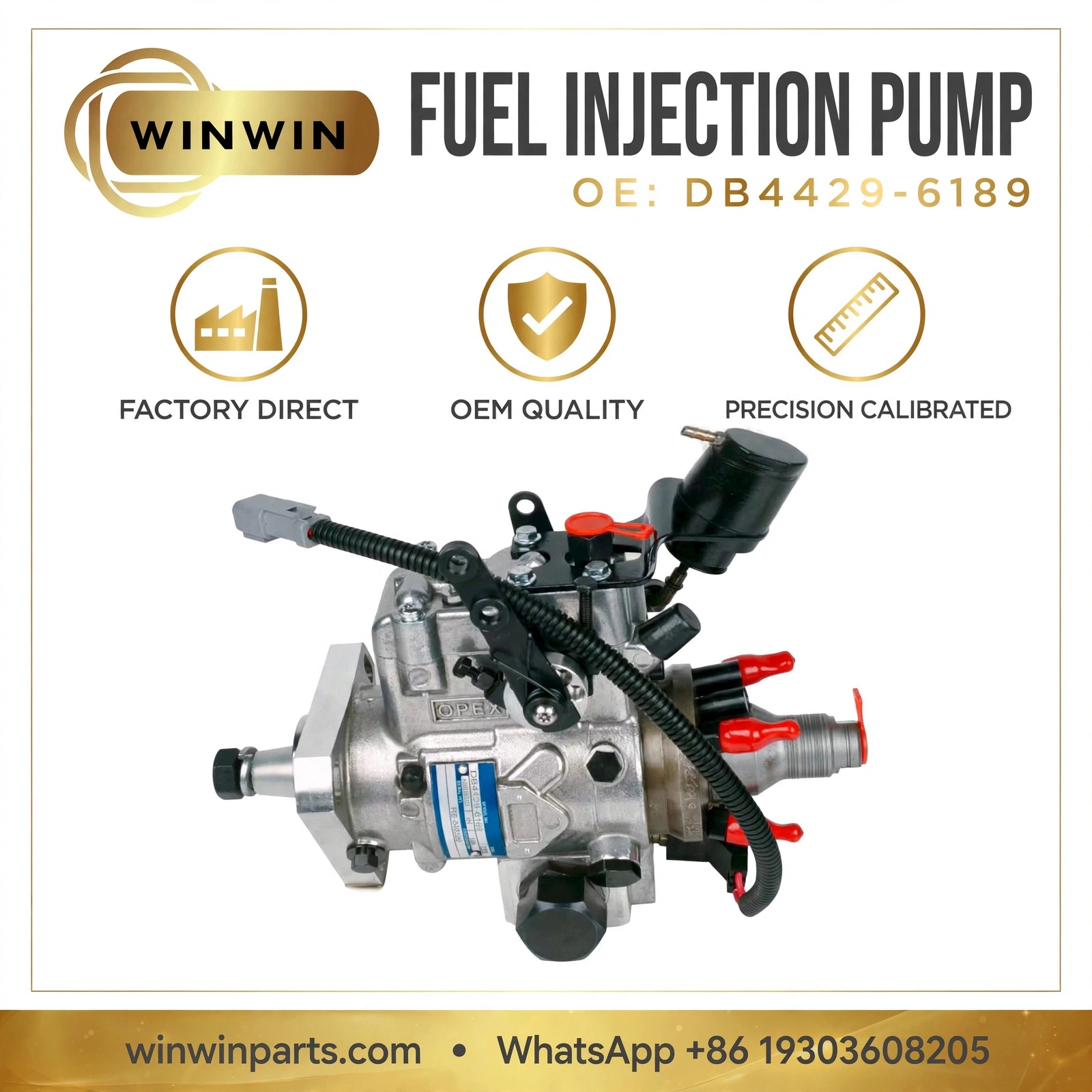
Fuel Injection Pump
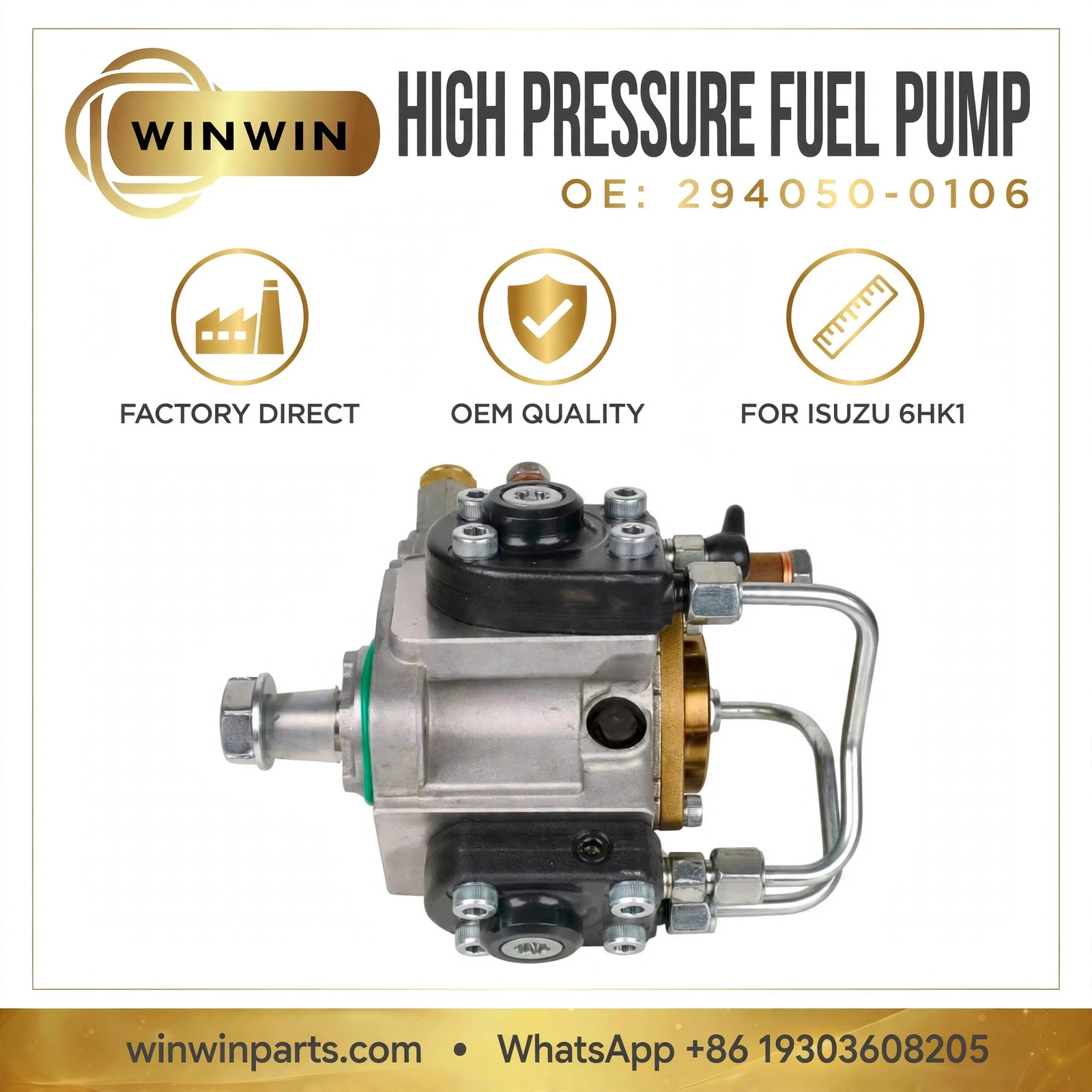
High Pressure Fuel Pump
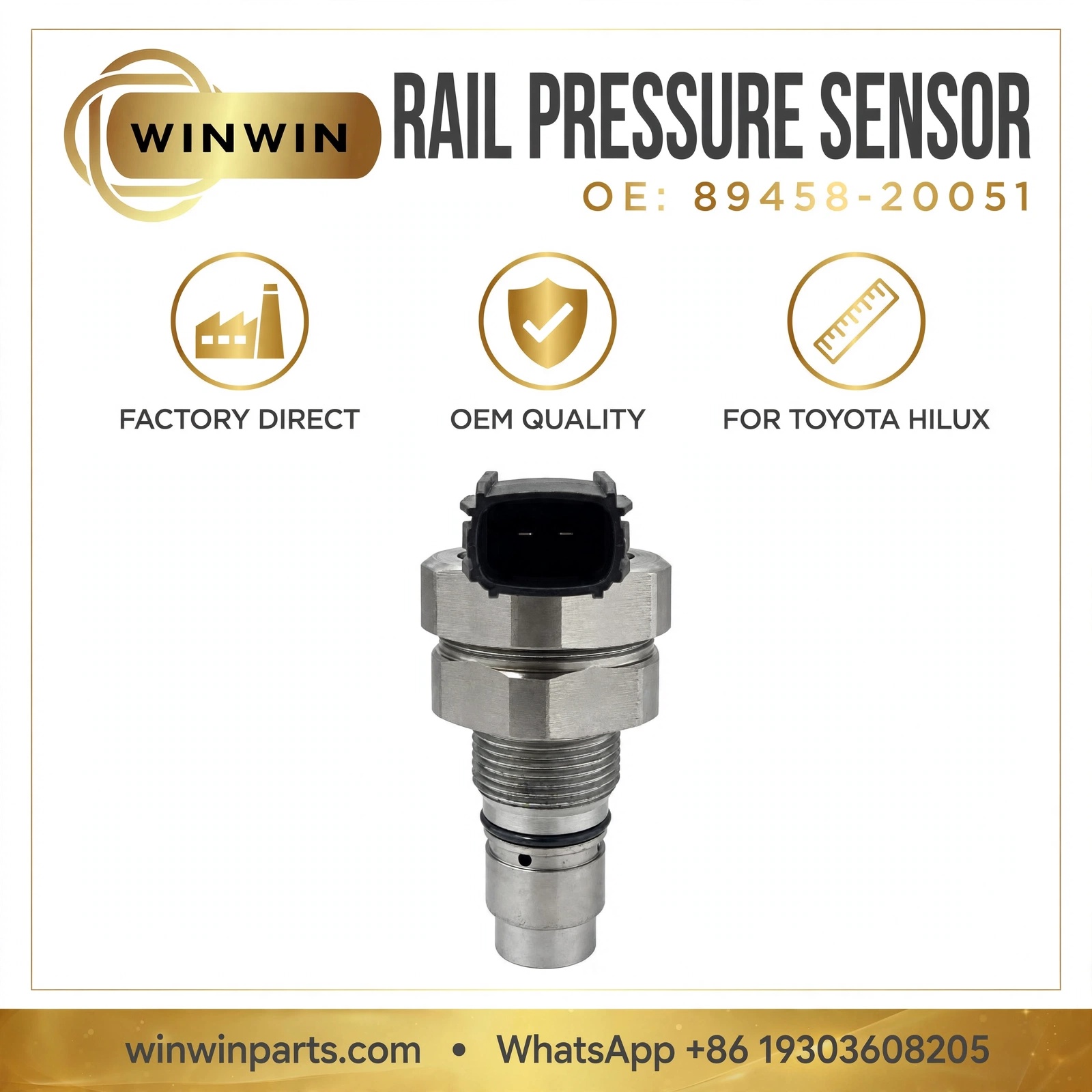
Rail Pressure Sensor
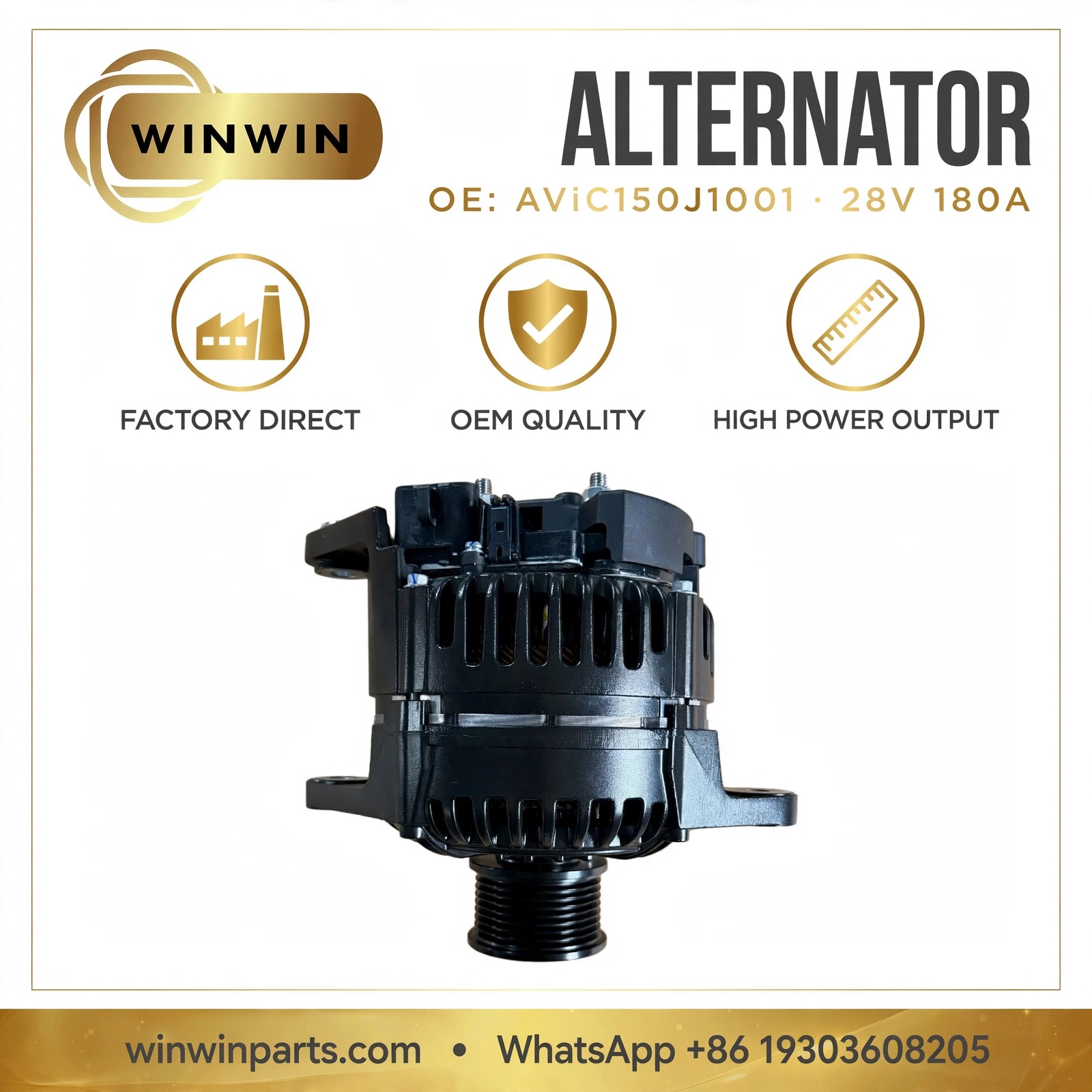
Alternator
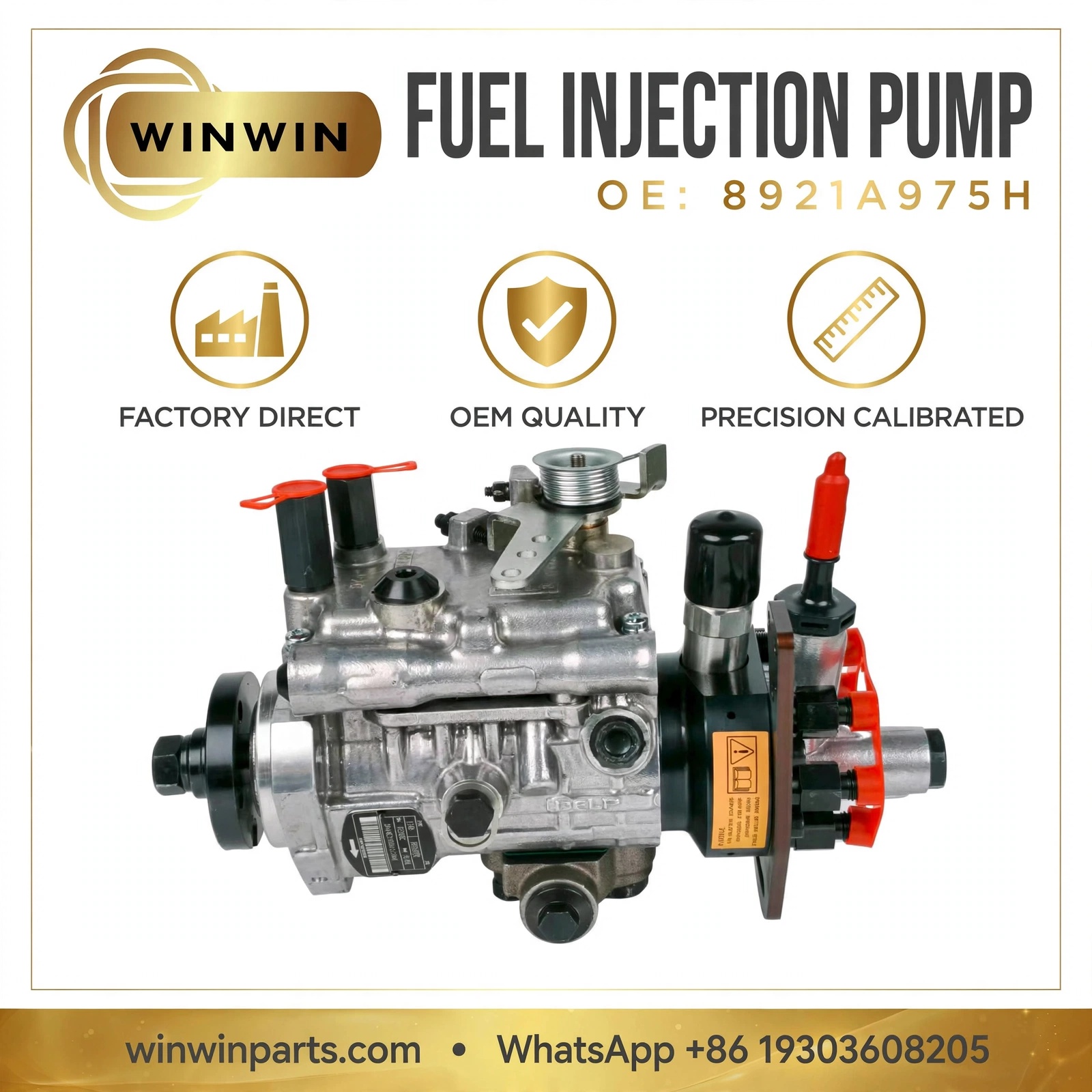
Fuel Injection Pump
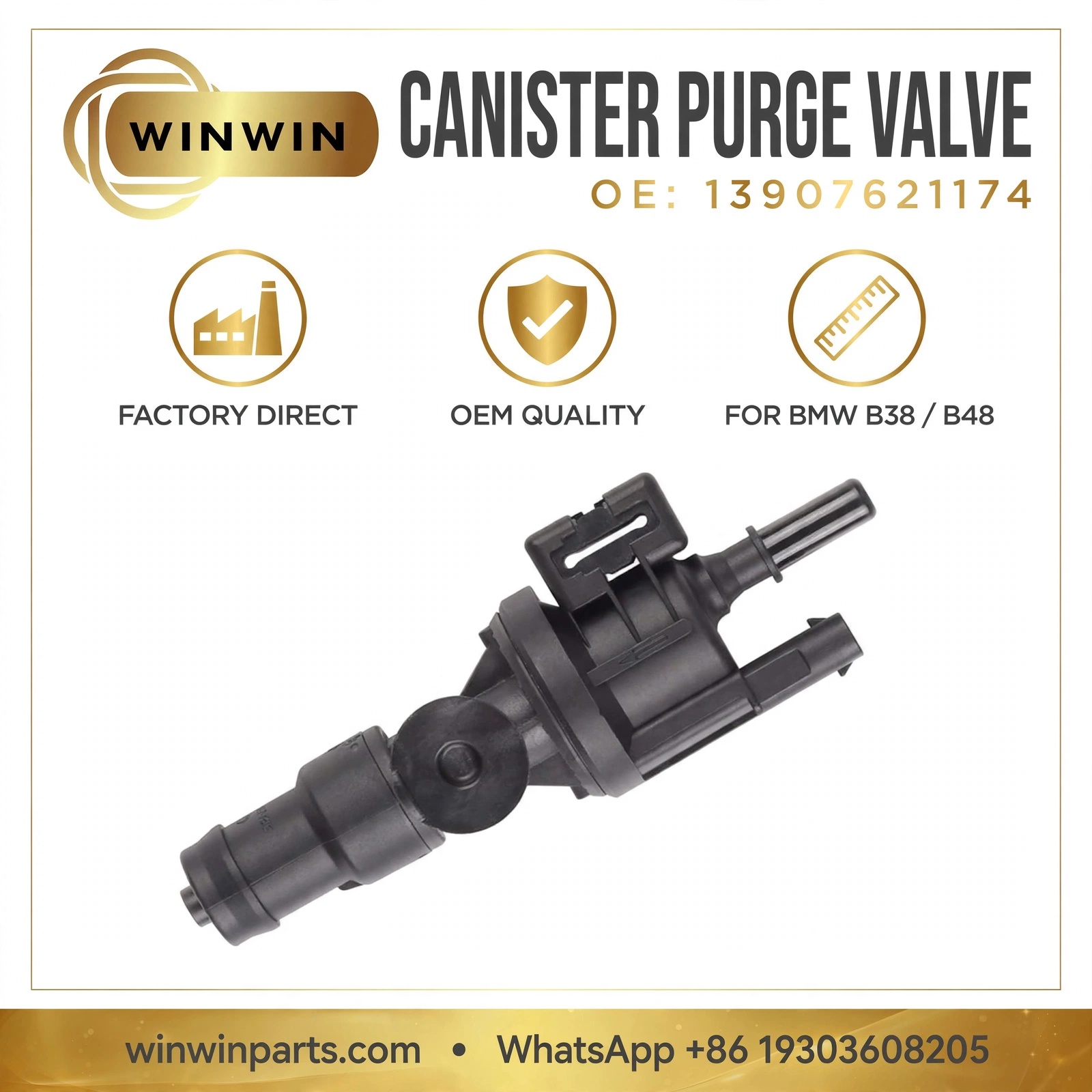
Canister Purge Valve
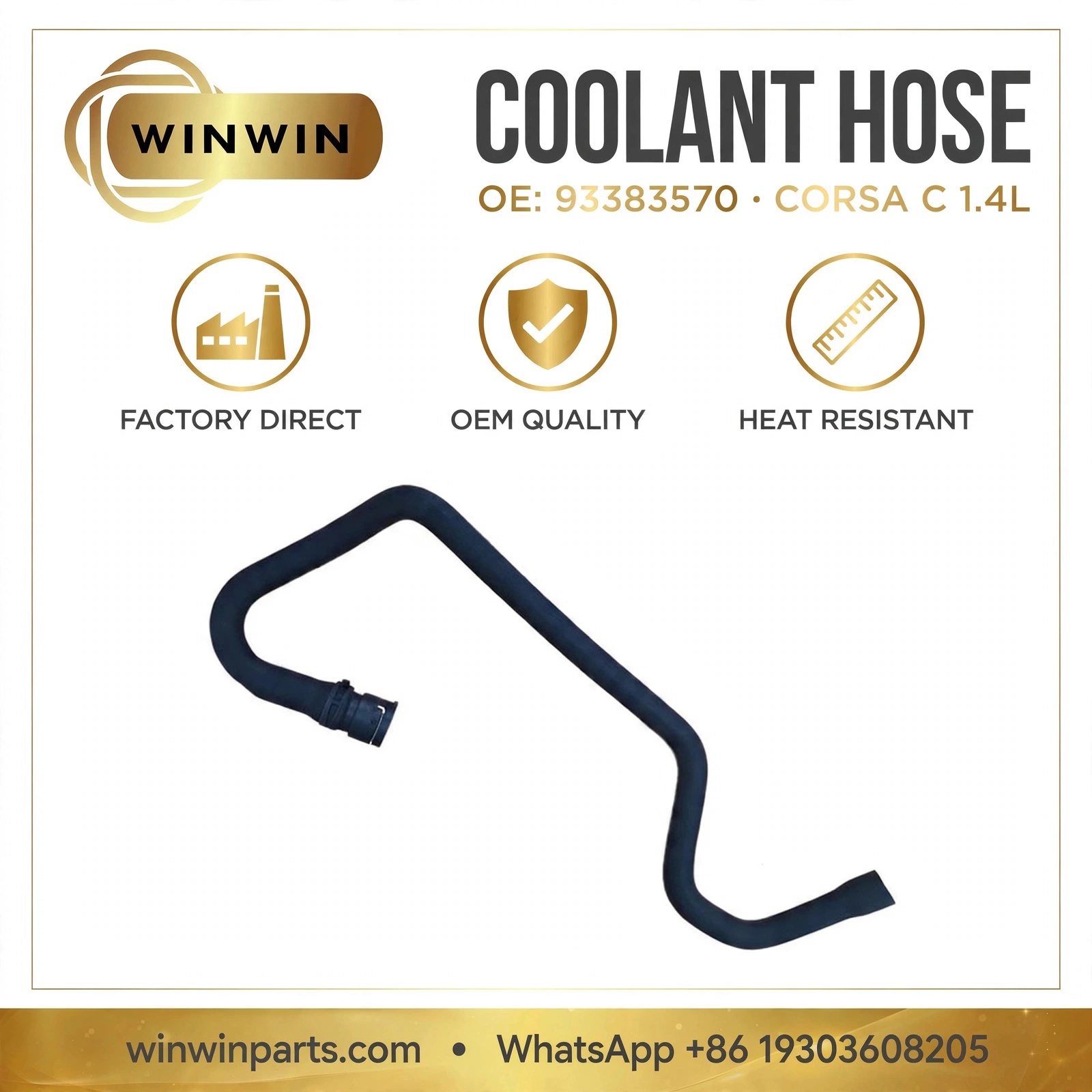
Heater Hose
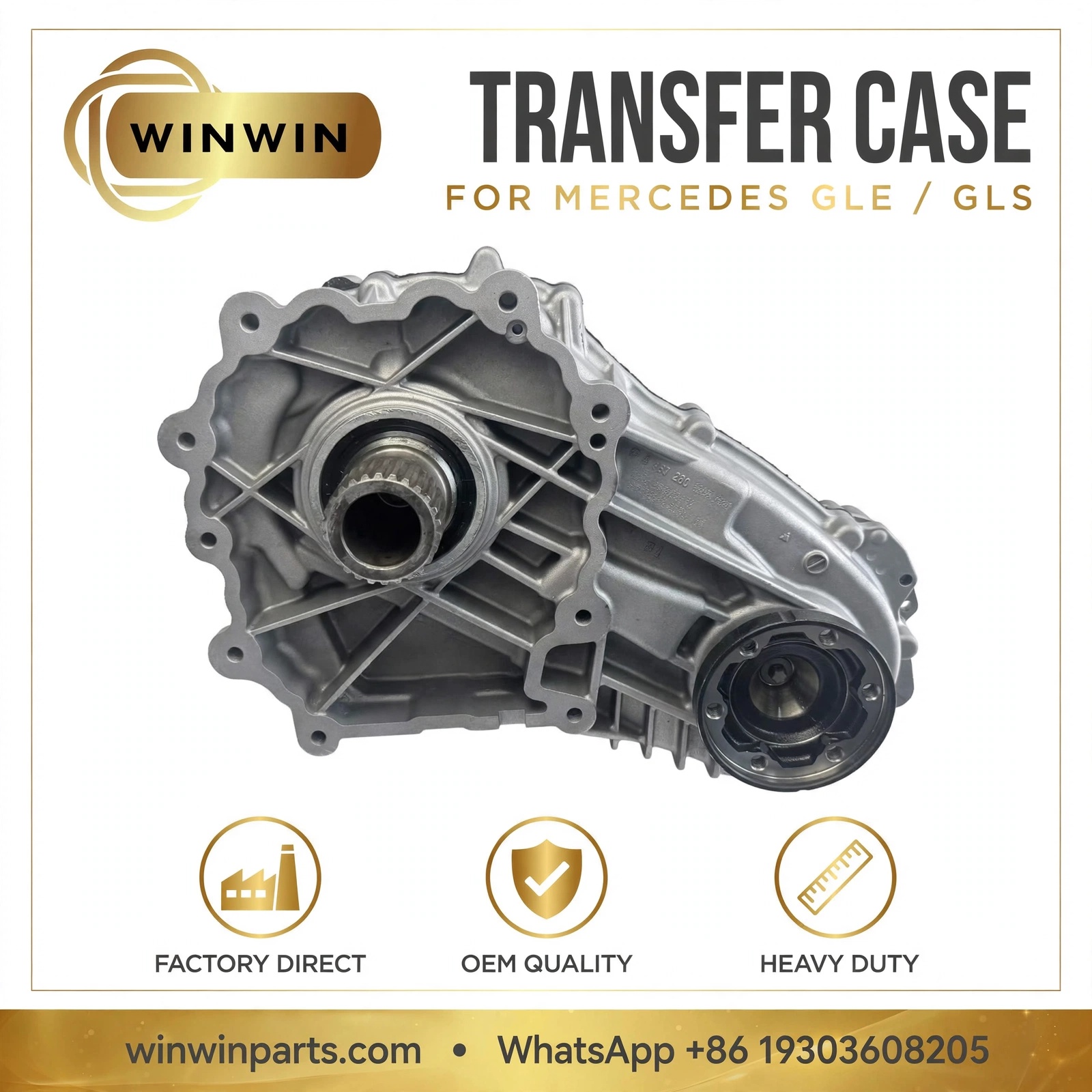
Transfer Case
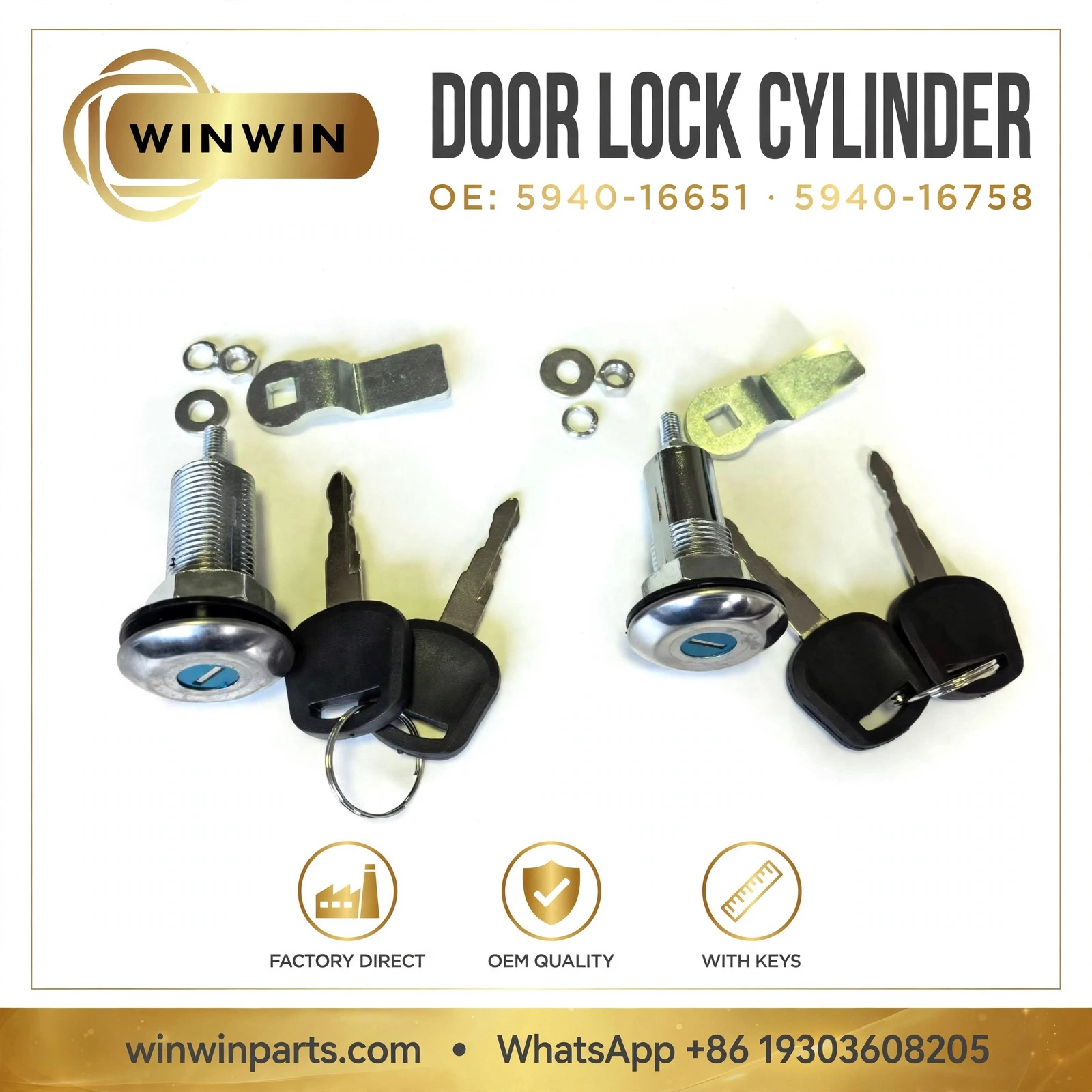
Door Lock Cylinder
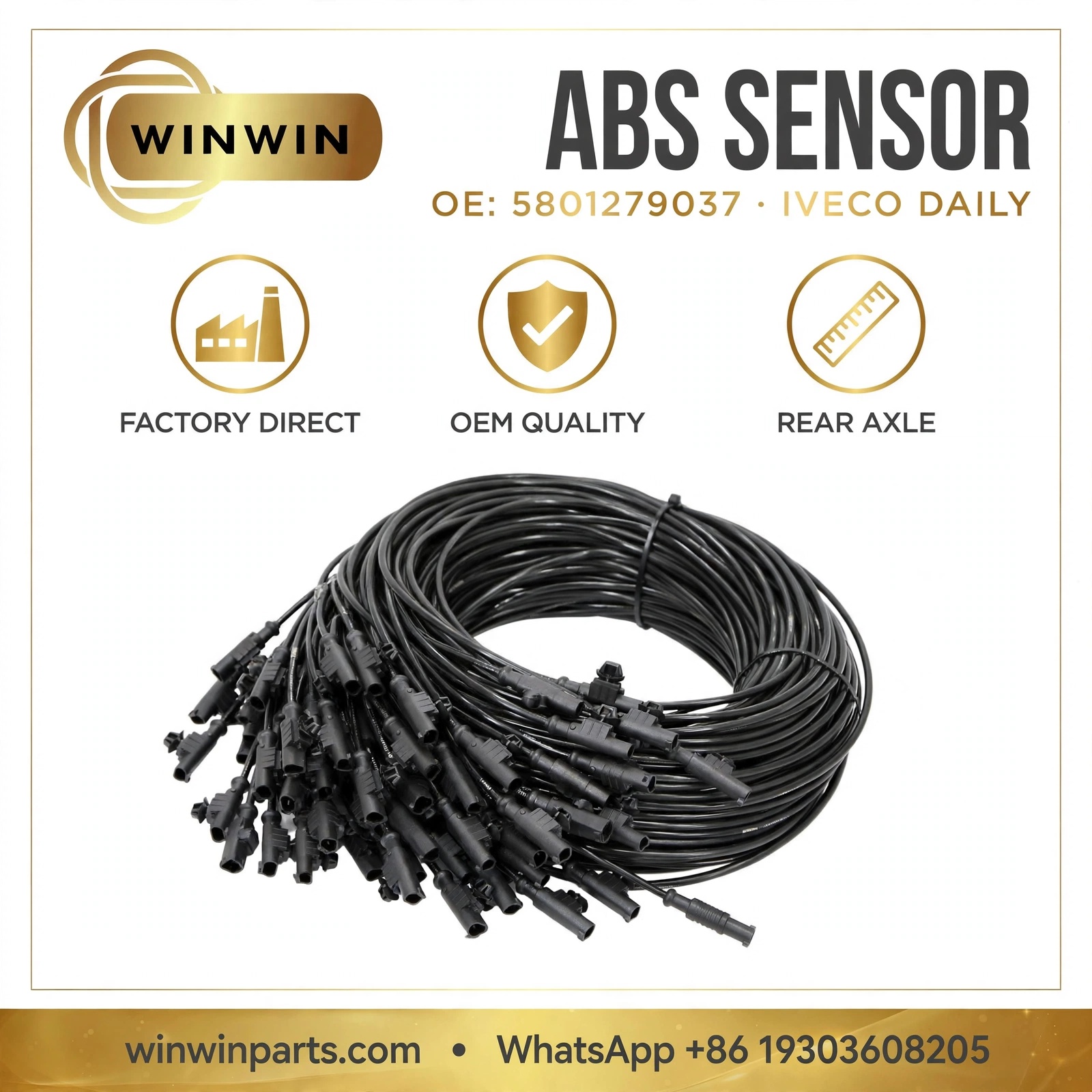
ABS Sensor
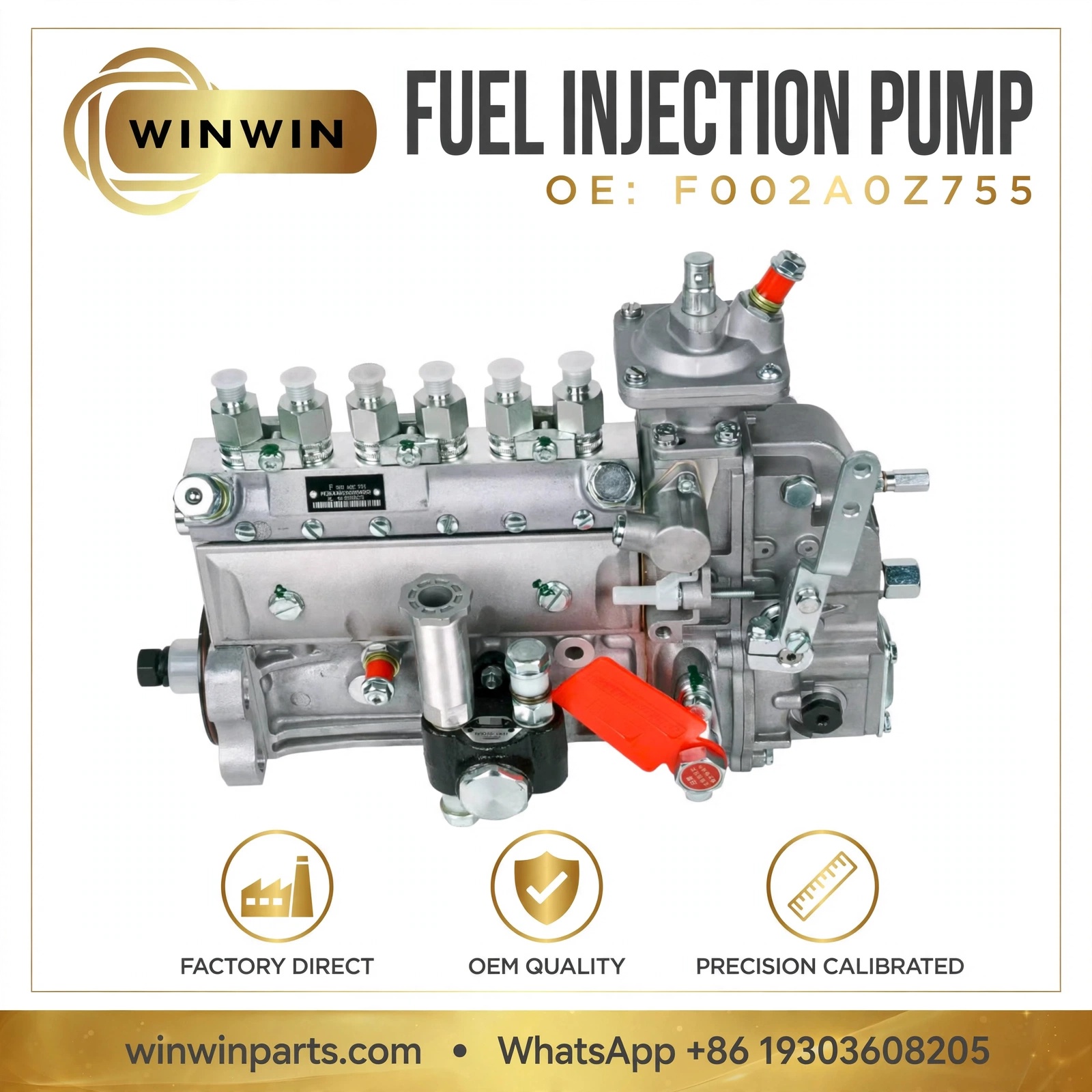
Fuel Injection Pump
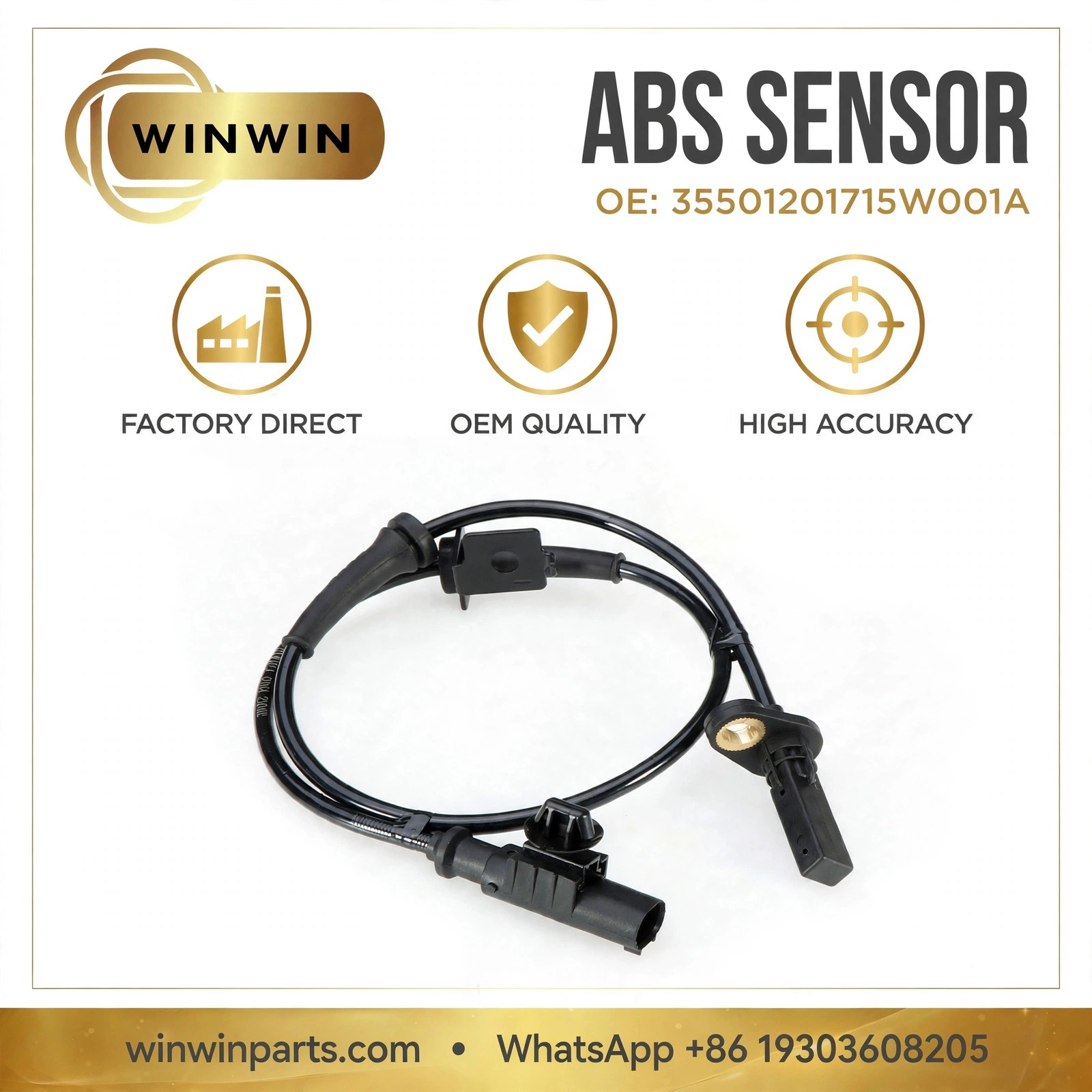
ABS Sensor
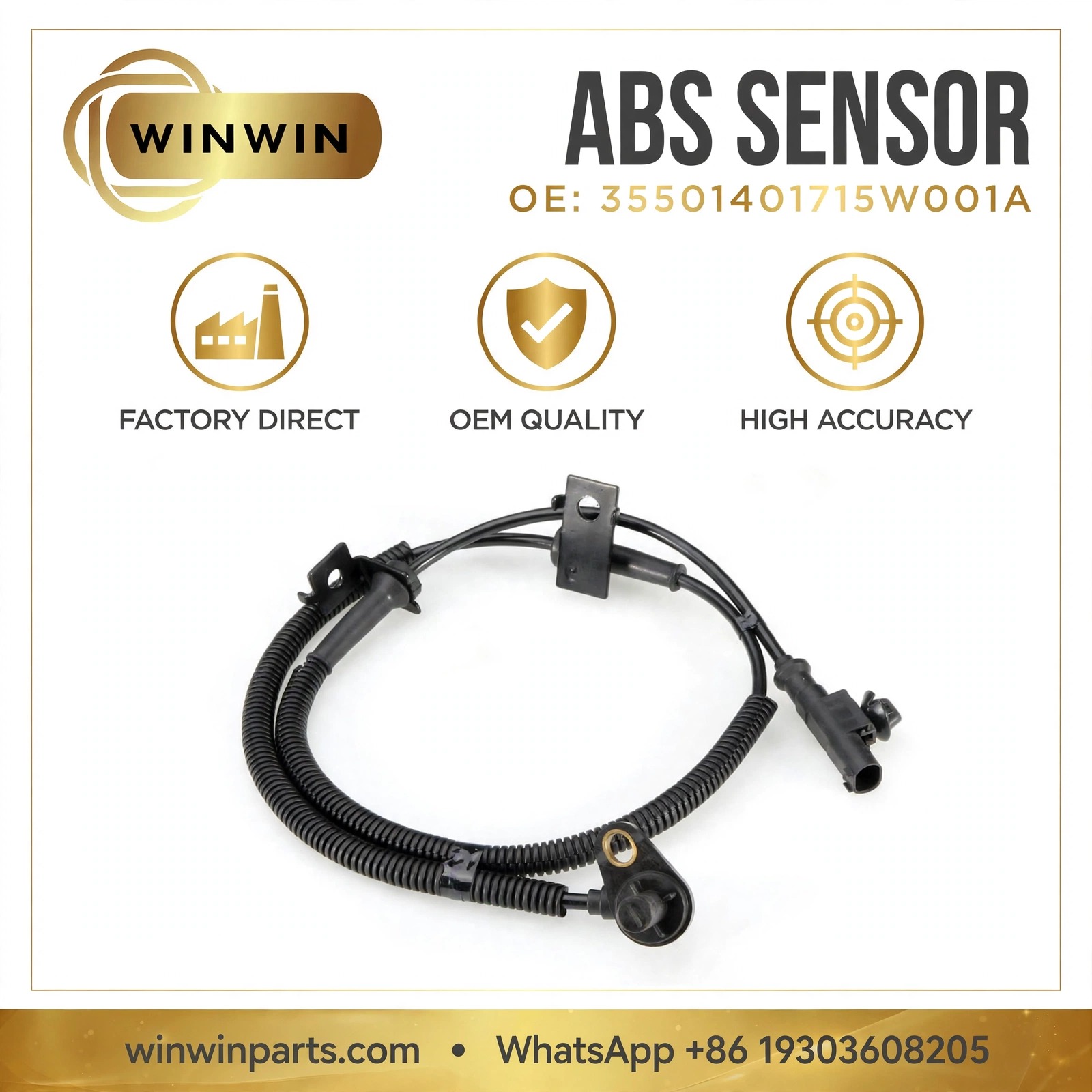
ABS Sensor
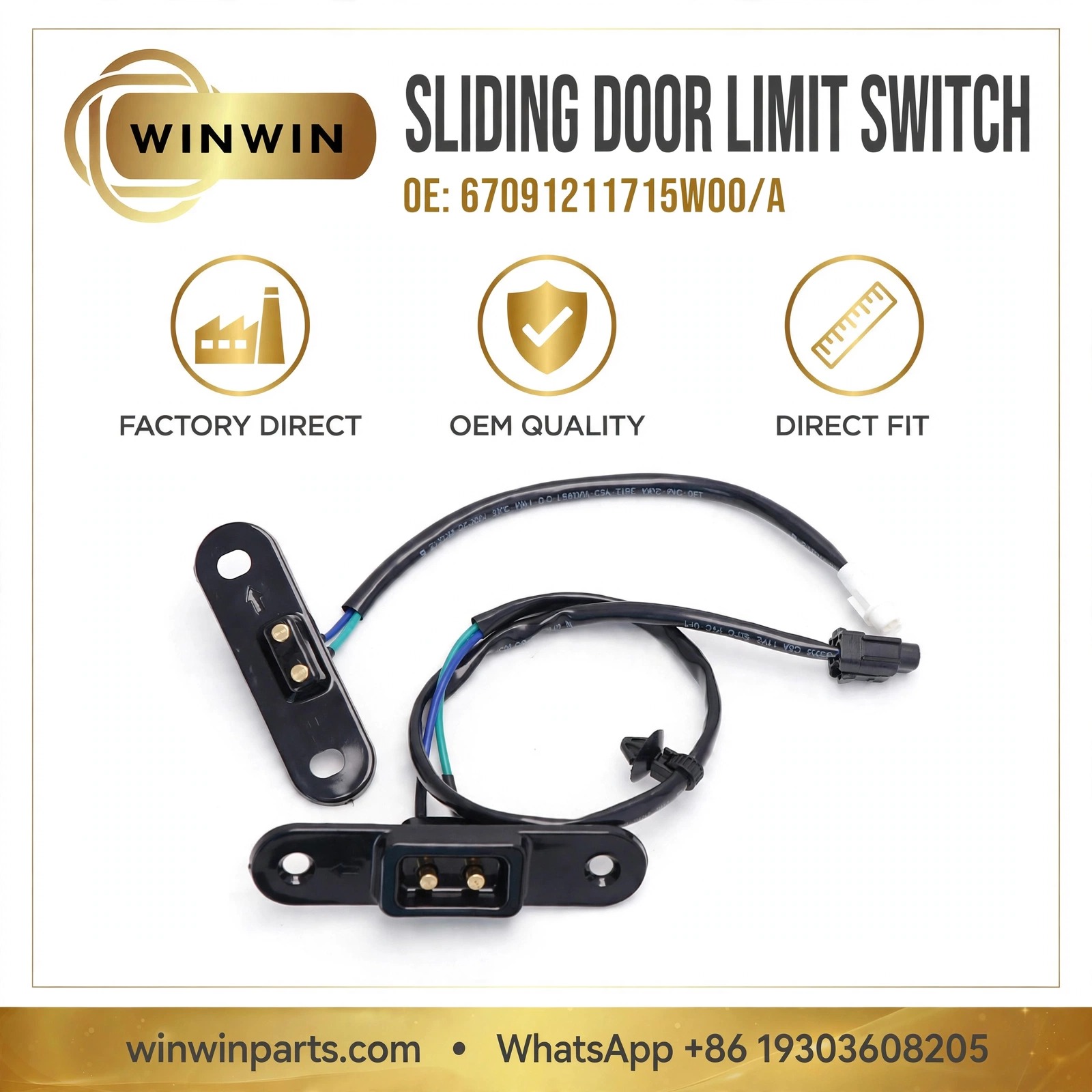
Sliding Door Limit Switch
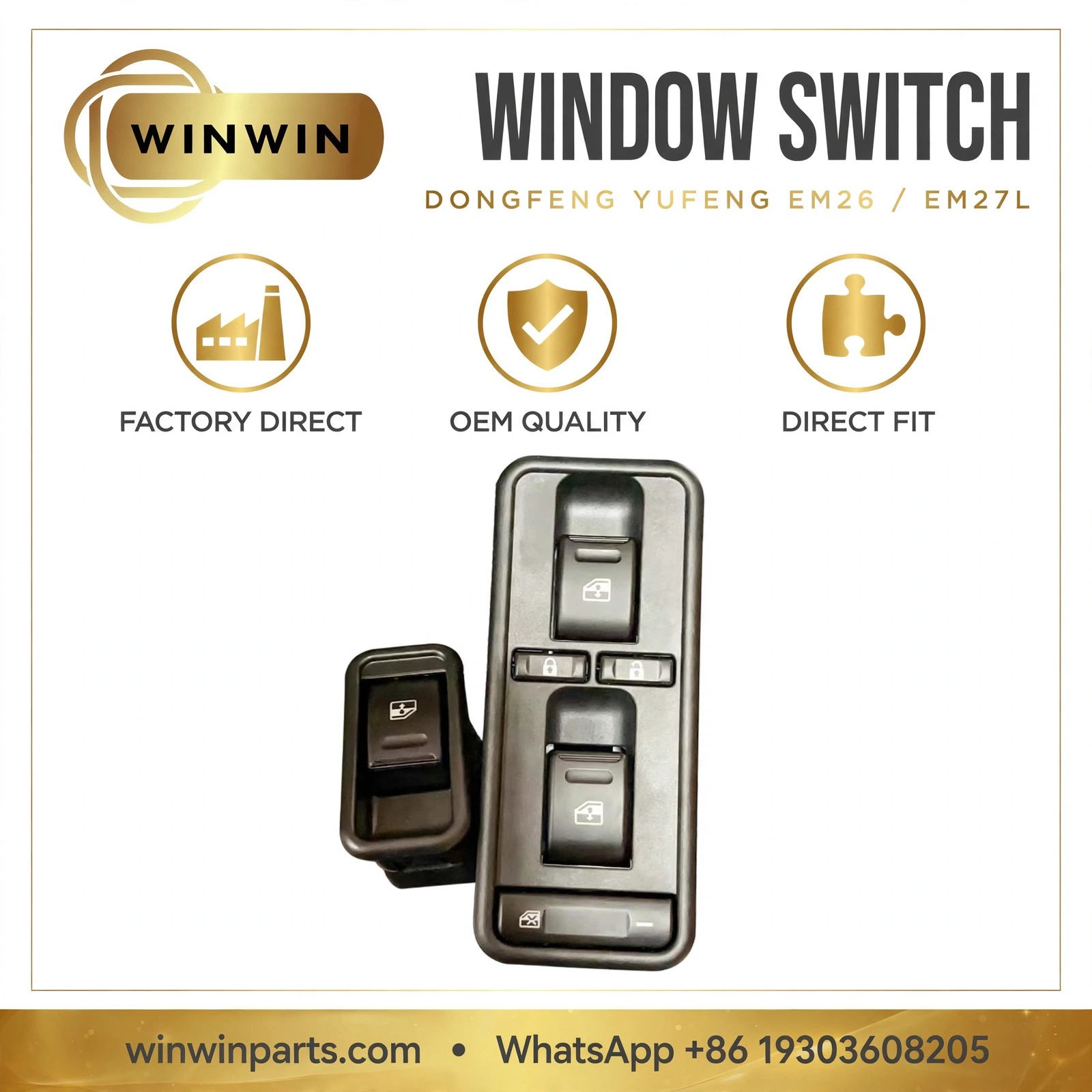
Window Switch
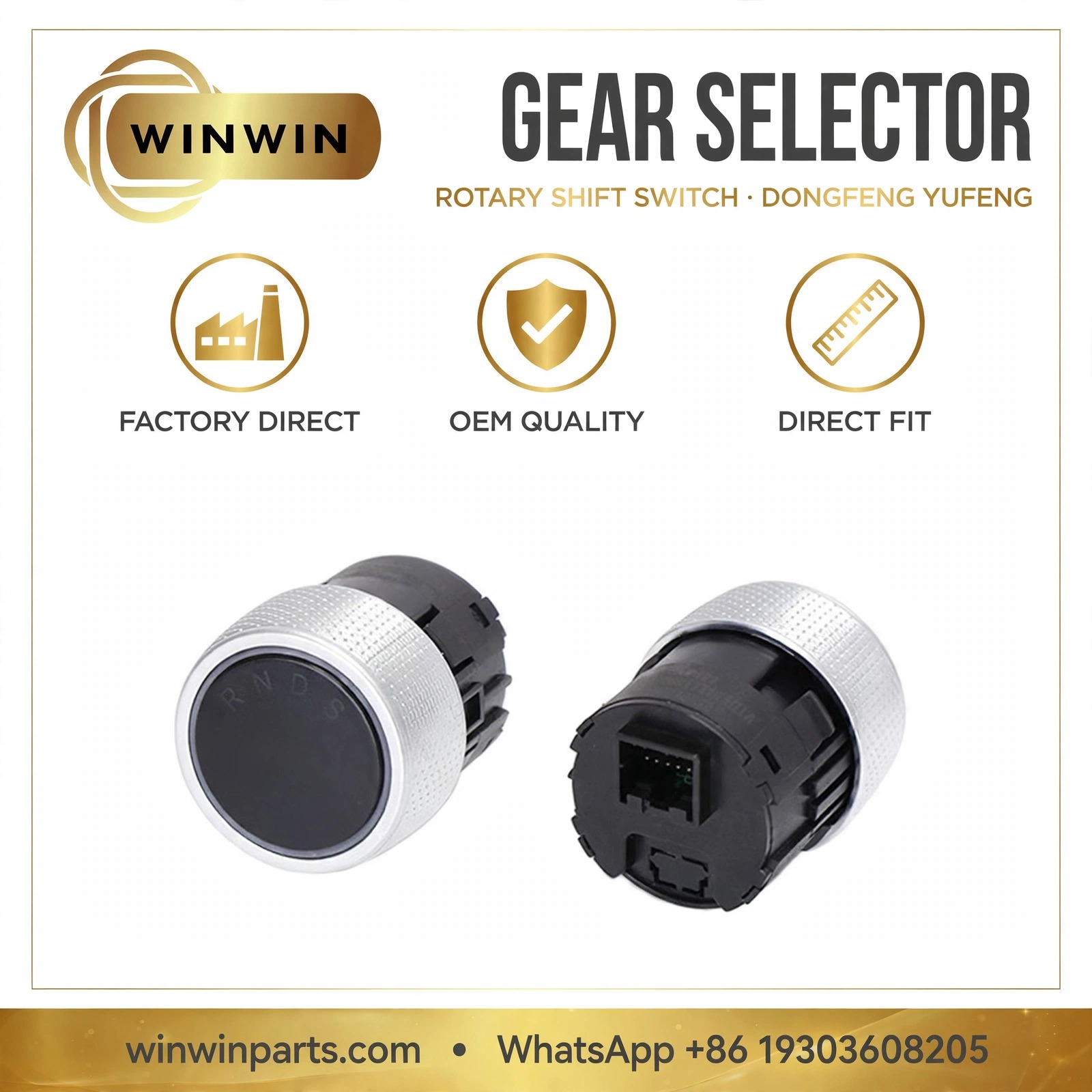
Gear Selector
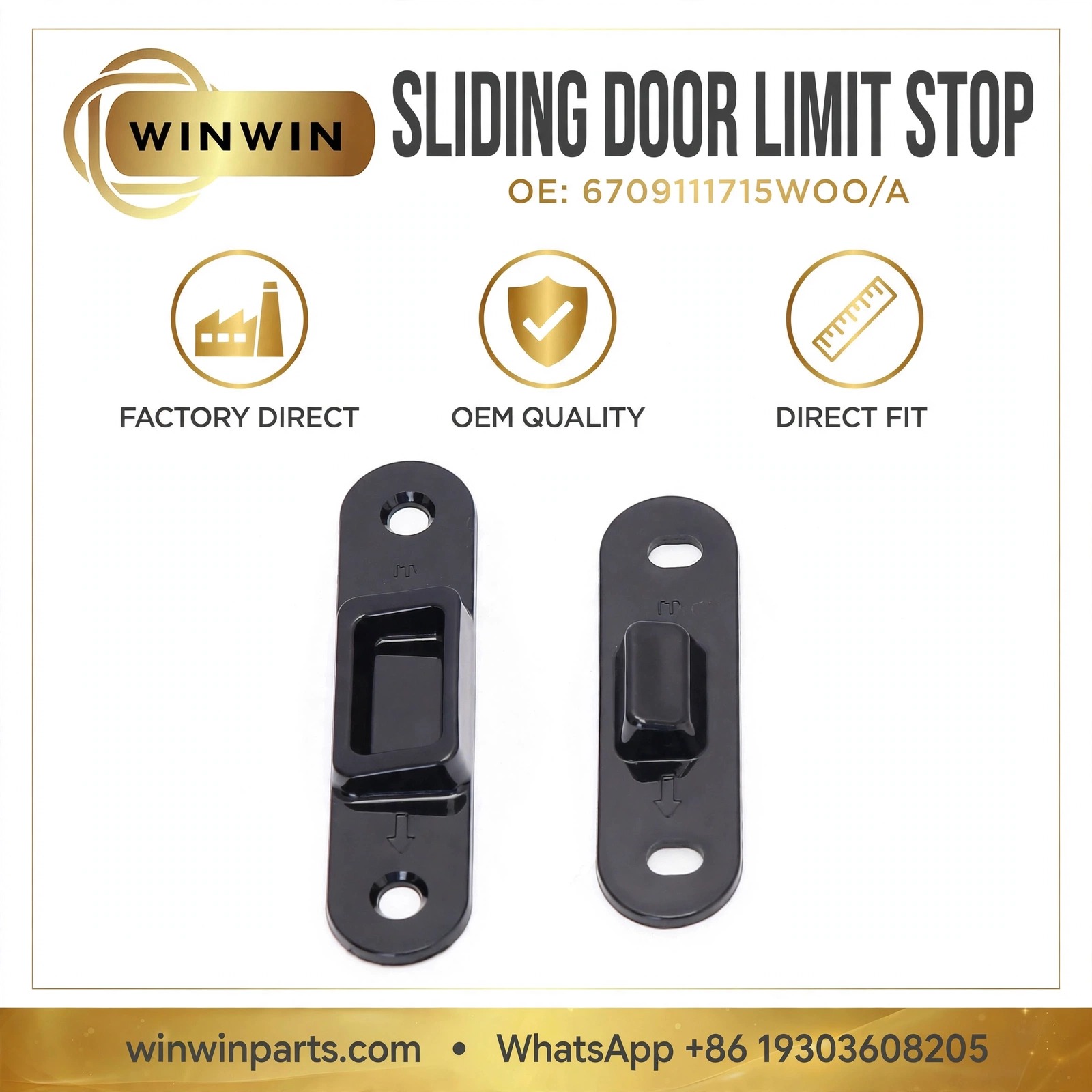
Sliding Door Limit Stop
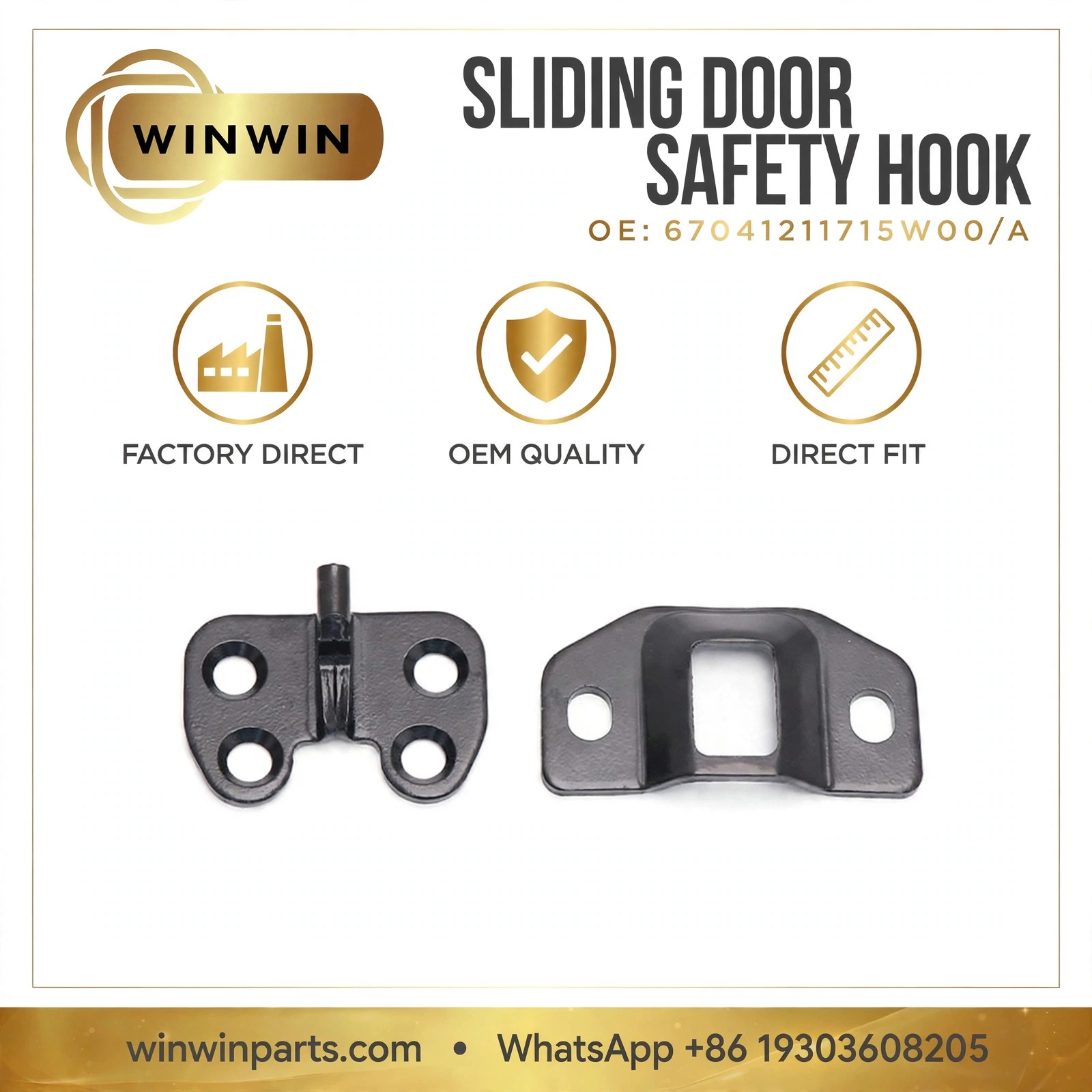
Sliding Door Safety Hook
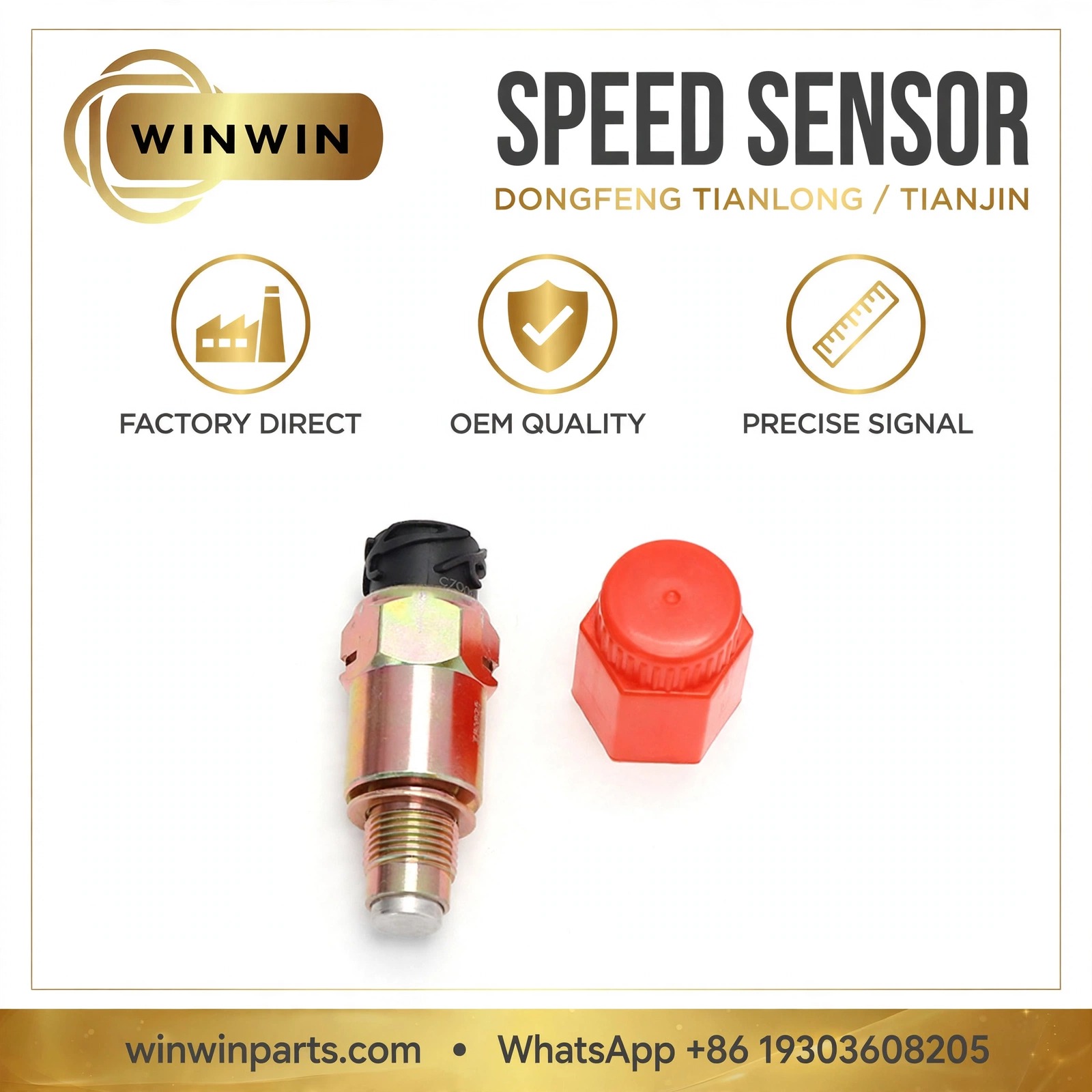
Speed Sensor
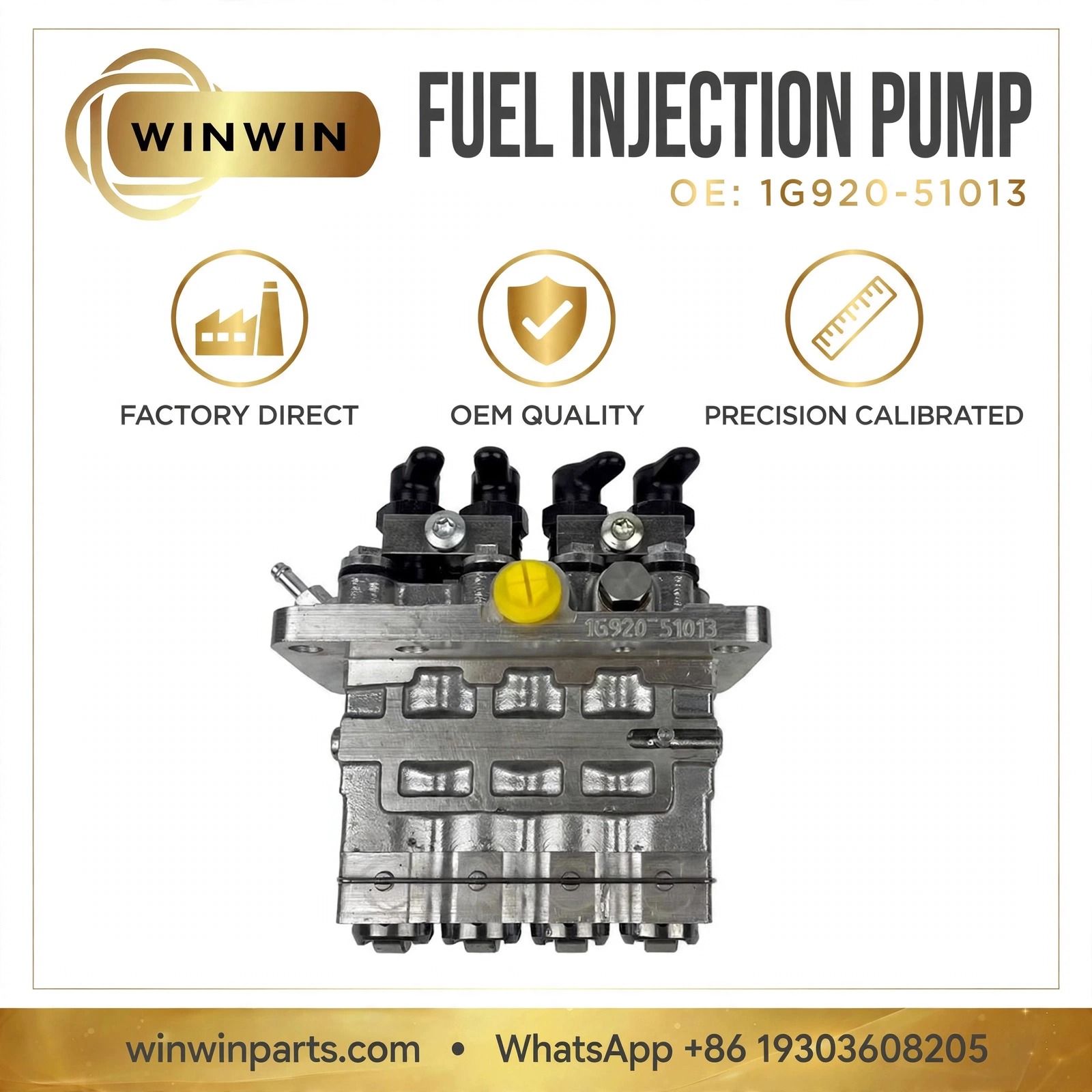
Fuel Injection Pump
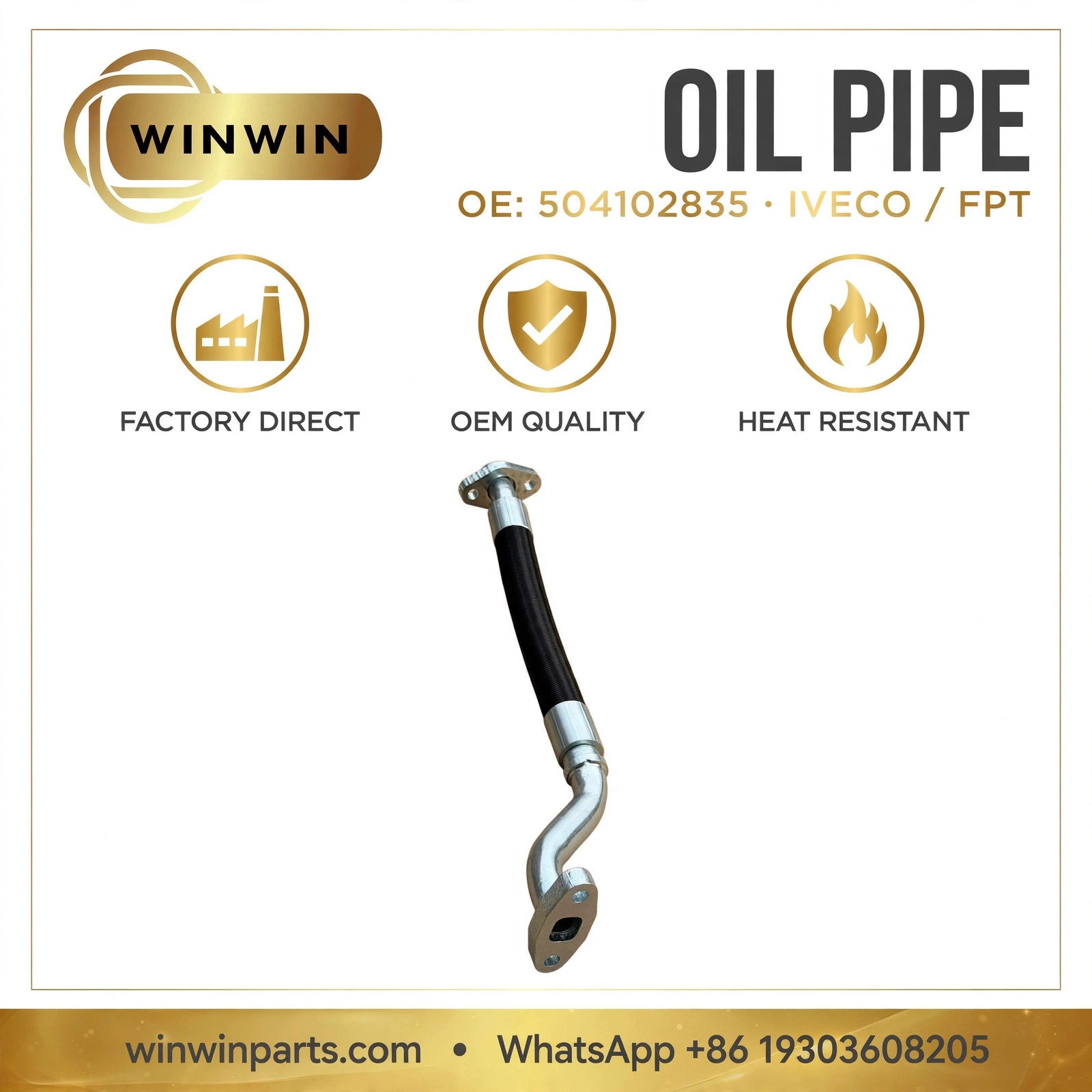
Oil Pipe
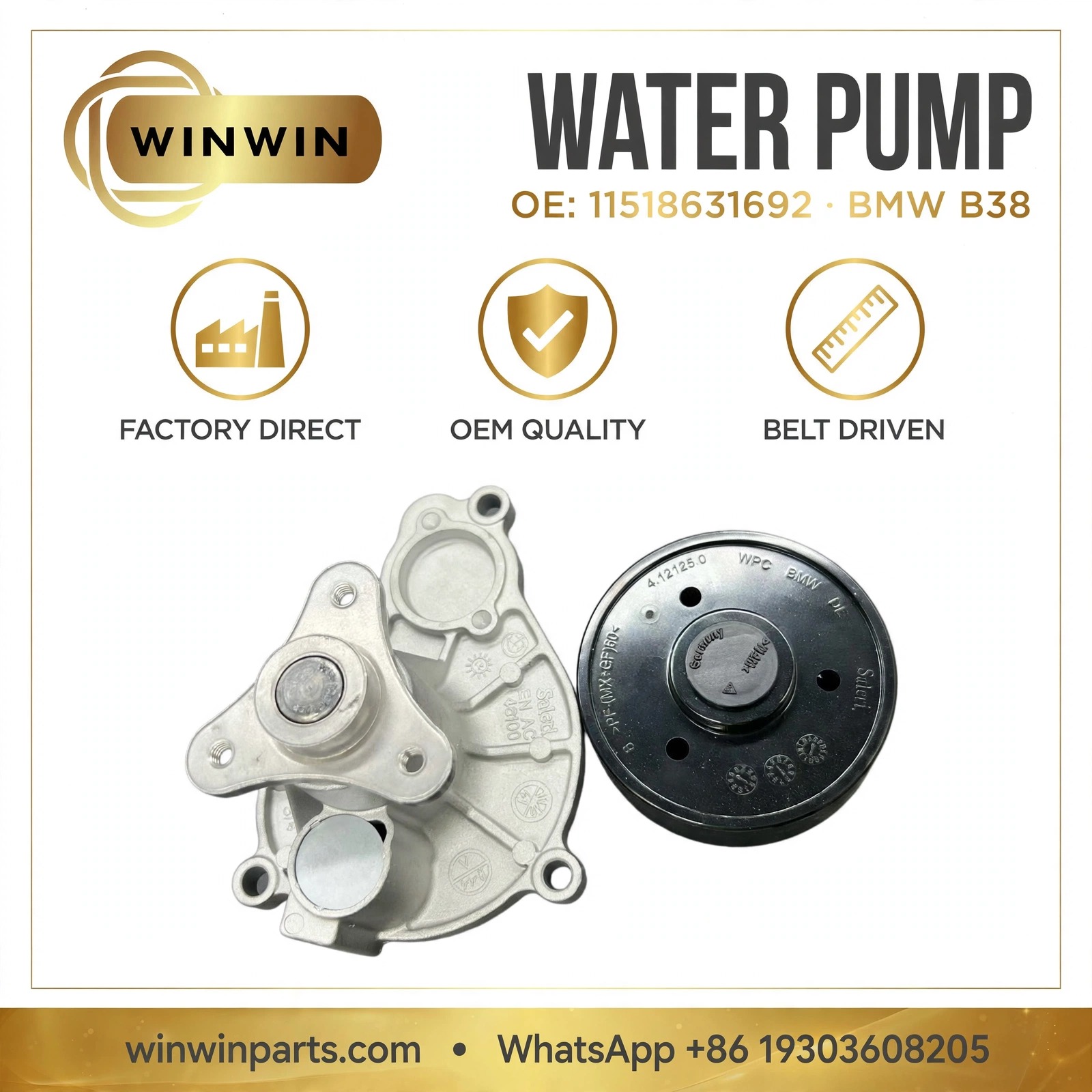
Water Pump
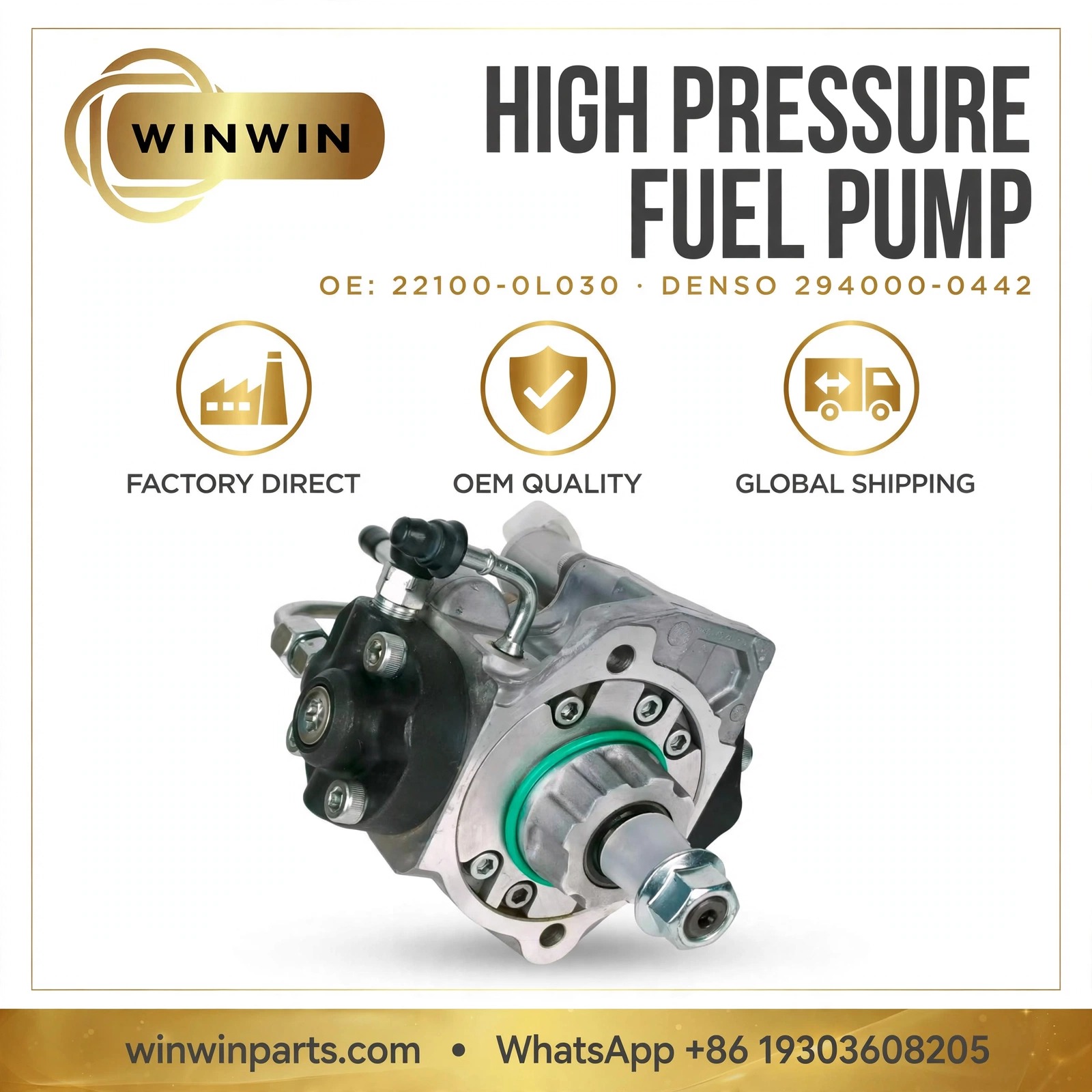
High Pressure Fuel Pump
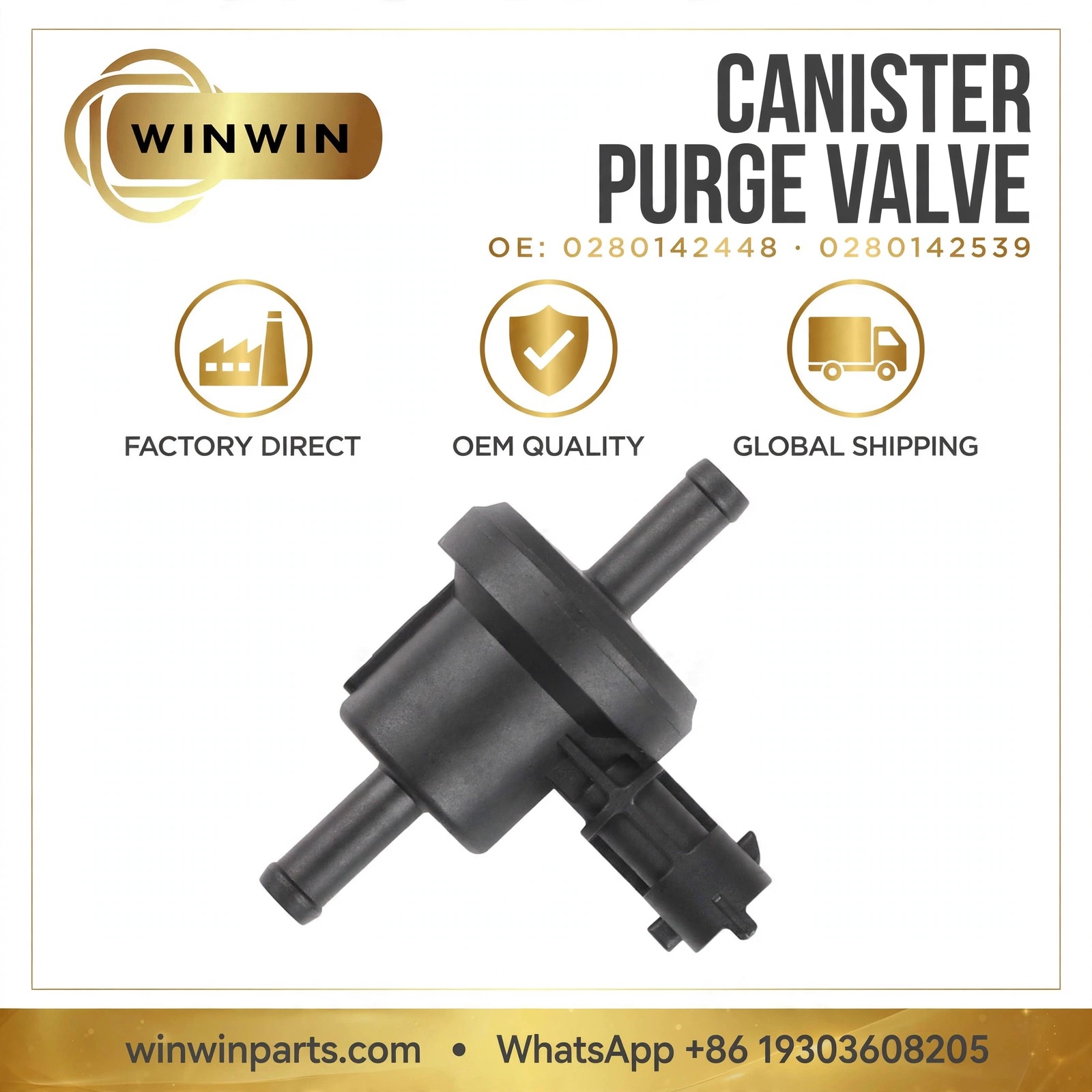
Canister Purge Valve
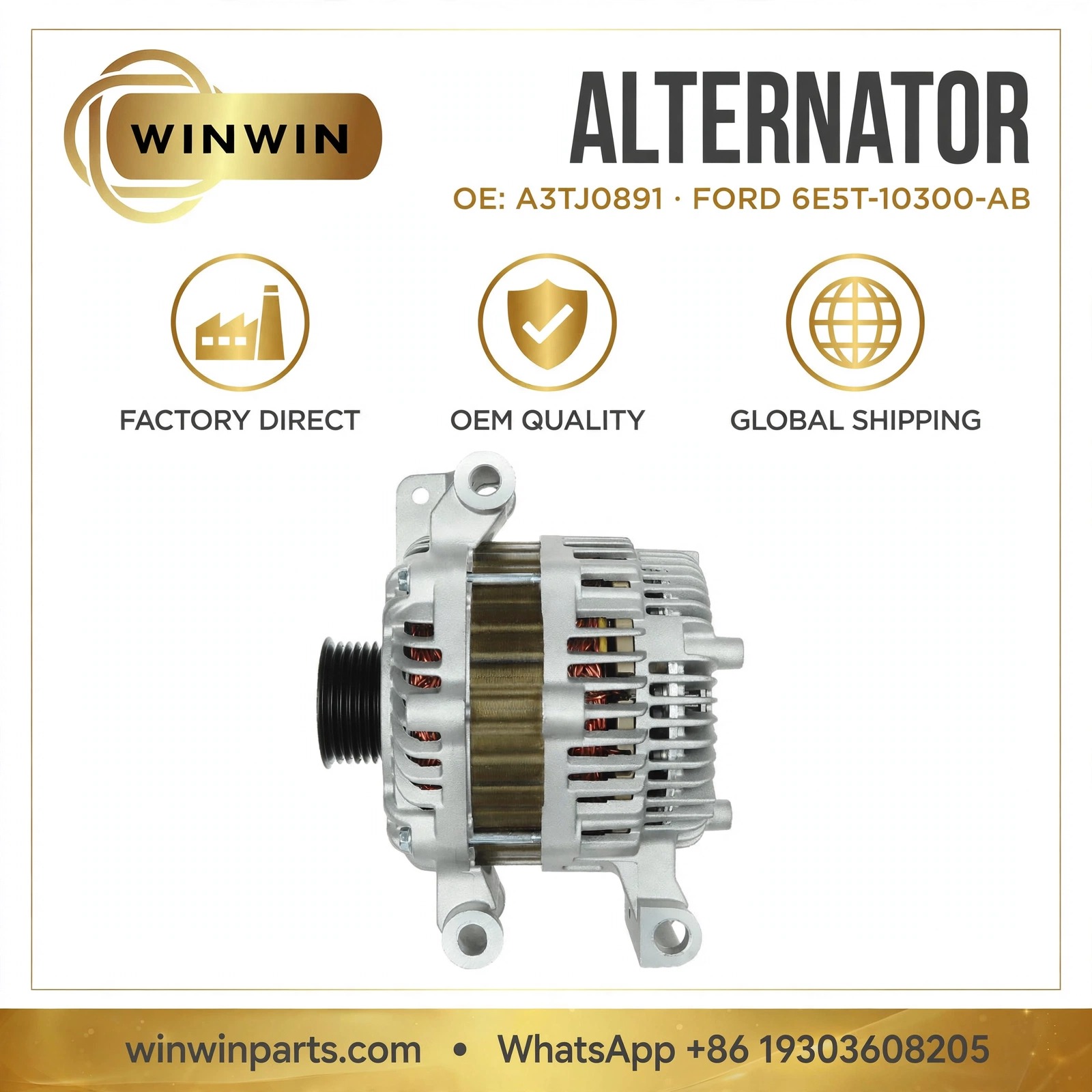
Alternator